A rocky, snow-covered ridge rising above a sea of clouds
The Grand Traverse

Northern Circuit (The Grand Traverse)
5,895m

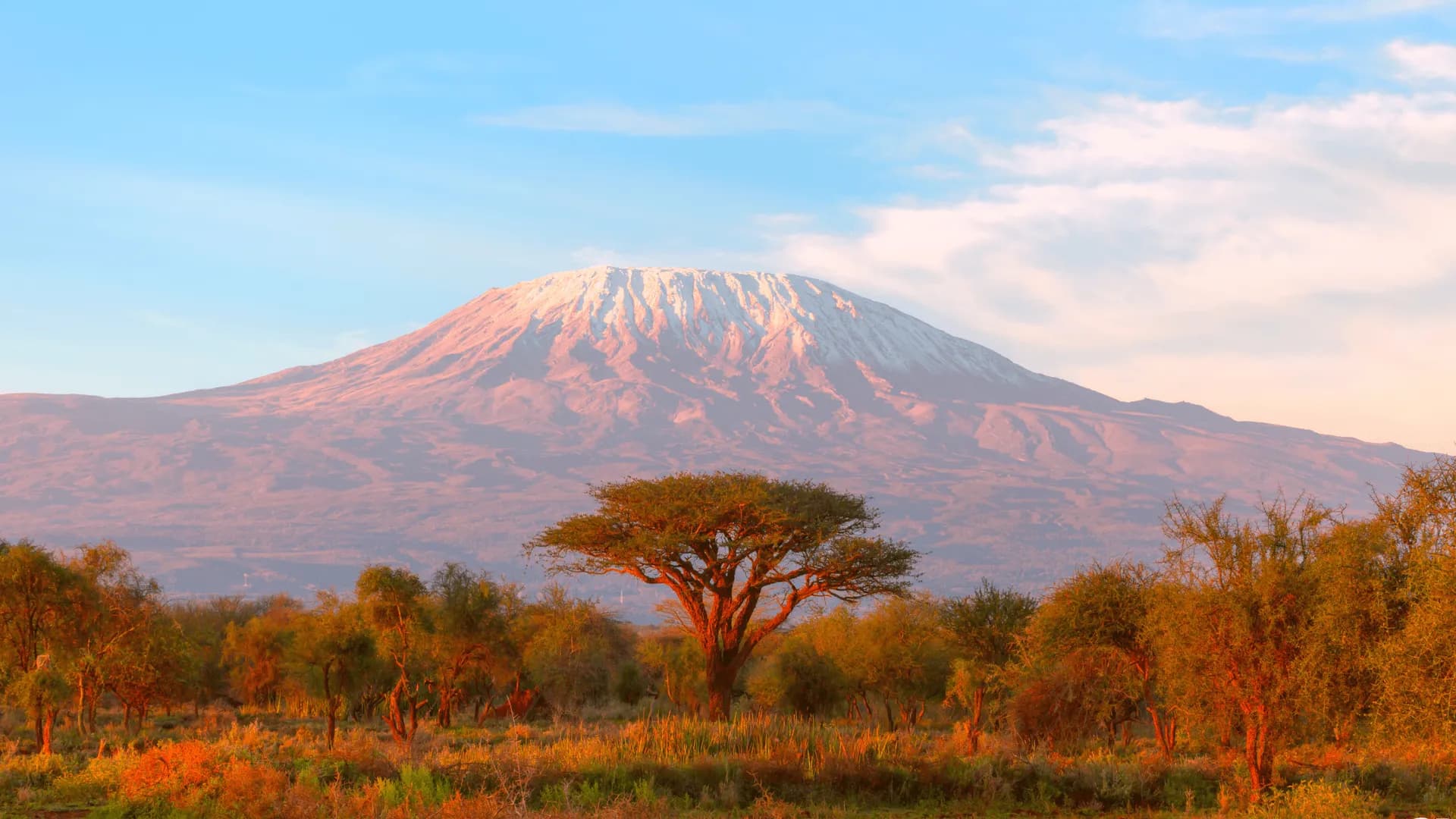
Africa's highest peak. The world's tallest free-standing mountain. Guided by Tanzania-born experts who have stood on the summit hundreds of times.

The Grand Traverse

Most Kilimanjaro routes take the most direct line to the summit. The Northern Circuit takes the long way round — deliberately.

This is the longest standard route on the mountain, circling from the western Lemosho approach around Kibo's rarely-visited northern slopes before turning south to the summit. The extra days buy something few other routes can offer: time. Time to acclimatise properly, time to see terrain almost no other climbers see, and time to simply be on the mountain rather than racing across it.

Right now, the Northern Circuit remains one of Kilimanjaro's quietest routes — a genuine wilderness circumnavigation for climbers who want the best possible preparation for summit night and the most complete view of the mountain along the way.

Northern Circuit (The Grand Traverse) — view 1
Northern Circuit (The Grand Traverse) — view 2
Northern Circuit (The Grand Traverse) — view 3
Northern Circuit (The Grand Traverse) — view 4
Northern Circuit (The Grand Traverse) — view 5

Quick Facts

Route NameNorthern Circuit (The Grand Traverse)
Duration9 Days / 8 Nights
Distance~98 km total
Start GateLondorossi Gate (2,100m)
Finish GateMweka Gate (1,640m)
SummitUhuru Peak — 5,895m / 19,341ft
DifficultyModerate
Trail TrafficVery Low
Summit Success Rate~95%
Best SeasonJune–October · January–February
Accommodation4-season camping tents
Price FromUSD $2,237 per person (group 5+)

Why Choose This Route?

It is Kilimanjaro's longest — and most complete — route.

Nine days on the mountain means more time at altitude than any other standard route, translating directly into one of the highest summit success rates available.

You see sides of Kilimanjaro almost no one else does.

The route circles the rarely-visited northern slopes between Lemosho and the Kibo-Mawenzi saddle — terrain that other routes simply don't touch.

It's genuinely quiet.

The Northern Circuit remains one of the least-crowded ways up the mountain. Expect long stretches of trail with no other climbing parties in sight.

The acclimatisation profile is exceptional.

A long, gradual circumnavigation with steady altitude gain gives your body more time to adapt than any faster route — exactly what makes the extra days worth it on summit night.

Day-by-Day Itinerary

0Arrival Day

You arrive in Tanzania and transfer to your hotel in Moshi. Your lead guide meets you for a thorough pre-climb briefing — gear check, route overview, altitude safety protocol, and Q&A. The Northern Circuit is the longest route we run, so take the time to ask every question you have. Rest well — your expedition begins tomorrow.

1Londorossi Gate → Mti Mkubwa Camp

Camp: Mti Mkubwa · Elevation: 2,780m · Distance: 6 km · Hiking Time: 2–3 hours

A 4x4 drive up the forest track to the Lemosho Glades starts the day before the trail begins on foot. This is the most vegetation- and wildlife-rich section of the route — watch the canopy for monkeys as you climb through rainforest.

What to expect: A gentle opening day. Use it to settle into the rhythm of the trail.

2Mti Mkubwa → Shira Ridge → Shira 1 Camp

Camp: Shira 1 Camp · Elevation: 3,600m · Distance: 8 km · Hiking Time: 4–5 hours

The trees thin quickly today as the trail climbs the dramatic Shira Ridge. It's a steep day, rewarded with gorgeous panoramic views across the western Shira Plateau.

What to expect: A sustained climb with real altitude gain. Mild headaches tonight are normal.

3Shira Plateau → Shira 2 Camp

Camp: Shira 2 Camp · Elevation: 3,850m · Distance: 8 km · Hiking Time: 4–5 hours

A gentler day crossing the Shira Plateau's open meadows — good for acclimatisation. Short exploratory trails around camp let you get a feel for the surrounding moorland.

What to expect: A comfortable day by comparison. Take advantage of the shorter distance to rest well.

4Shira 2 → Lava Tower → Moir Camp

Camp: Moir Camp · Elevation: 4,200m · Distance: 14 km · Hiking Time: 5–7 hours

The trail passes through the Garden of Senecios — the last of the larger vegetation — before lunch at the dramatic Lava Tower rock formation. Here the Northern Circuit splits away from the southern circuit routes, entering alpine desert and the quieter northern half of the mountain.

What to expect: A long day with a significant altitude touch at the Lava Tower. This is where the Northern Circuit begins to feel genuinely remote.

5Moir Valley → Buffalo Camp

Camp: Buffalo Camp · Elevation: 4,020m · Distance: 12 km · Hiking Time: 5–6 hours

A moderately steep trail circles Kibo's northern slopes, with gradual inclines and declines and the option to hike Little Lent Hill for extended views. Buffalo Camp itself is a highlight of the Northern Circuit — a genuinely secluded camp few climbers on other routes ever see.

What to expect: Rolling terrain rather than a single hard climb. The seclusion here is the whole point — enjoy it.

6Buffalo Ridge → Third Cave Camp

Camp: Third Cave Camp · Elevation: 3,875m · Distance: 8 km · Hiking Time: 5–7 hours

The trail climbs Buffalo Ridge before skirting the remote northern slopes toward Third Cave Camp, near where the Rongai route passes. By now your body is well adjusted to high elevation.

What to expect: A long day, but your acclimatisation advantage should be showing by this point in the trek.

7Kibo-Mawenzi Saddle → School Hut Camp

Camp: School Hut Camp · Elevation: 4,800m · Distance: 15 km · Hiking Time: 4–5 hours

A steeper climb today, crossing the saddle between Kibo and Mawenzi Peaks with unique views of both. An early dinner and early night follow — the wake-up call is midnight.

What to expect: Nerves and altitude-related restlessness are normal tonight. Rest even if you can't sleep.

8Summit Night → Uhuru Peak → Millennium Camp

Camp: Millennium Camp · Elevation: 3,950m · Ascent: 5 km · Descent: 12 km · Total Time: 10–15 hours

Midnight departure for the steep ascent to Gilman's Point, where you join climbers from other routes for the final push. The crater rim walk passes striking views of Mawenzi Peak before the last scramble through snow to Uhuru Peak. The long descent continues down to Millennium Camp.

What to expect: The hardest and most extraordinary day of the expedition. The descent afterward is long — pace yourself.

9Millennium Camp → Mweka Gate → Hotel

End of Expedition · Elevation: 1,640m · Distance: 10 km · Hiking Time: 3–4 hours

Breathing gets easier with every step down as the trail returns to rainforest. At Mweka Gate, your summit certificate is presented before the transfer back to your hotel in Moshi.

What to expect: Rest. Celebrate. You've completed Kilimanjaro's longest route.

Kilimanjaro Trekking Guide
FREE GUIDE

Kilimanjaro Trekking

Get the Free Kilimanjaro Trekking Guide

Routes, gear list, best seasons & expert tips — all in one free printable guide.

What's Included

  • All Kilimanjaro National Park fees, conservation levy, and TANAPA rescue fee
  • Professional KINAPA-certified lead guide — English-speaking
  • Assistant guides (1 per 3 climbers)
  • Personal porter (1 per climber, max 15 kg duffel)
  • Mountain chef — hot full-board meals at every camp
  • 4-season camping tents, sleeping mats, dining tent, kitchen tent, private toilet tent
  • Emergency supplemental oxygen cylinder
  • Pulse oximeter — twice-daily health monitoring at every camp
  • Wilderness first response-trained guide
  • Hotel/airport transfers — Kilimanjaro or Arusha Airport to hotel and gate
  • Kilimanjaro summit certificate
  • 18% VAT and all applicable Tanzanian taxes

Not Included

  • International flights
  • Tanzania visa
  • Personal travel insurance (mandatory)
  • Personal gear
  • Tips

Pricing

Solo (1 Person)

$2,237

per person

Small Group (2–4 Persons)

$2,237

per person

Group (5+ Persons)

$2,237

per person

Route Map

Northern Circuit Map

Explore the terrain, camps, and elevation profile along this route.

ELEVATION (m)1,500–2,5002,500–3,5003,500–4,2004,200–4,8004,800–5,4005,400+ Ice CapLondorossi Gate2,250mShira 13,500mShira 23,840mBuffalo Camp4,020mThird Cave3,800mSchool Hut4,750mMawenzi Tarn4,330mKibo Hut4,703mUhuru Peak5,895mHorombo Hut3,720mMarangu Gate1,879mNNorthern CircuitKilimanjaro NP · TANAPA ApprovedMOUNT KILIMANJARO · 5,895m
Custom topographic map·Northern Circuit·TANAPA Approved Trail

Northern Circuit

The Grand Traverse

9 Days / 8 Nights
Moderate
~95% success rate

Most Kilimanjaro routes take the most direct line to the summit. The Northern Circuit takes the long way round — deliberately.

Highest success rate 95%+
360° views of the mountain
Best acclimatisation
Most remote & scenic
Starting from $2,237 per person
Your Summit Kit

What to Pack

12 essentials your porters won't carry for you — everything else is handled.

Clothing & Warmth

Layering System

Thermal base layers, fleece mid-layer, waterproof shell jacket & trousers

Sleeping Bag

Rated to -10°C / 14°F. Warmth is critical above 4,000m at night

Trekking Boots

Waterproof, ankle-supporting, well broken-in before the climb

Gaiters

Keep debris and water out of boots on volcanic scree sections

Essential Gear

Trekking Poles

Collapsible poles reduce knee strain significantly on descent

Headlamp + Batteries

Essential for summit night (3am start). Bring spare batteries

Waterproof Bag

Keep electronics and sleeping bag dry — rain is unpredictable

Health & Safety

Altitude Medicine

Diamox (acetazolamide) — consult your doctor before the climb

First Aid Kit

Blister treatment, ibuprofen, anti-nausea tablets, bandages

Sun Protection

SPF 50+ sunscreen, UV-blocking sunglasses, wide-brim hat

Fuel & Hydration

Hydration System

2–3 litre water bladder or bottles. Water freezes at summit

Snacks & Energy

High-calorie snacks: nuts, chocolate, energy gels for summit push

💡

Pro tip from our guides

The single biggest mistake climbers make is packing too heavy. Every extra kilogram will slow your summit attempt. Our porters carry your main bag (max 15 kg) — keep your day pack to 5–7 kg with just the essentials.

Summit Intelligence

When to Summit

Kilimanjaro never closes — but the mountain rewards those who choose their window wisely.

Prime Season

June → October

Cold, dry and clear. Every route fully open. Your best chance of standing on Uhuru Peak.

  • Clear summit skies on most days
  • All 6 routes fully operational
  • Dry underfoot — trails at their best
  • Peak porter & guide availability
JunJulAugSepOct

Shoulder Season

Dec · Jan · Feb

Warm and generally dry. Wildlife-rich around the mountain. Fewer crowds, still great summit odds.

  • Good visibility & milder temperatures
  • Calving season — exceptional wildlife
  • Quieter trails than peak months
DecJanFeb

Rain Season

Mar · Apr · May · Nov

Long and short rains bring muddy trails, reduced summit visibility, and lower success rates.

  • Heavy rainfall — trails become difficult
  • Poor summit-day visibility common
  • Some high camps partially inaccessible
MarAprMayNov

We still run climbs on request — conditions vary significantly year to year.

JanFebMarAprMayJunJulAugSepOctNovDec

Ready for the Summit?

Tell us your fitness level, dates, and budget — we'll match you with the perfect Kilimanjaro route.

Plan My Kilimanjaro Trek