The complete guide
The Classic Game Drive Safari: Everything You Need to Know
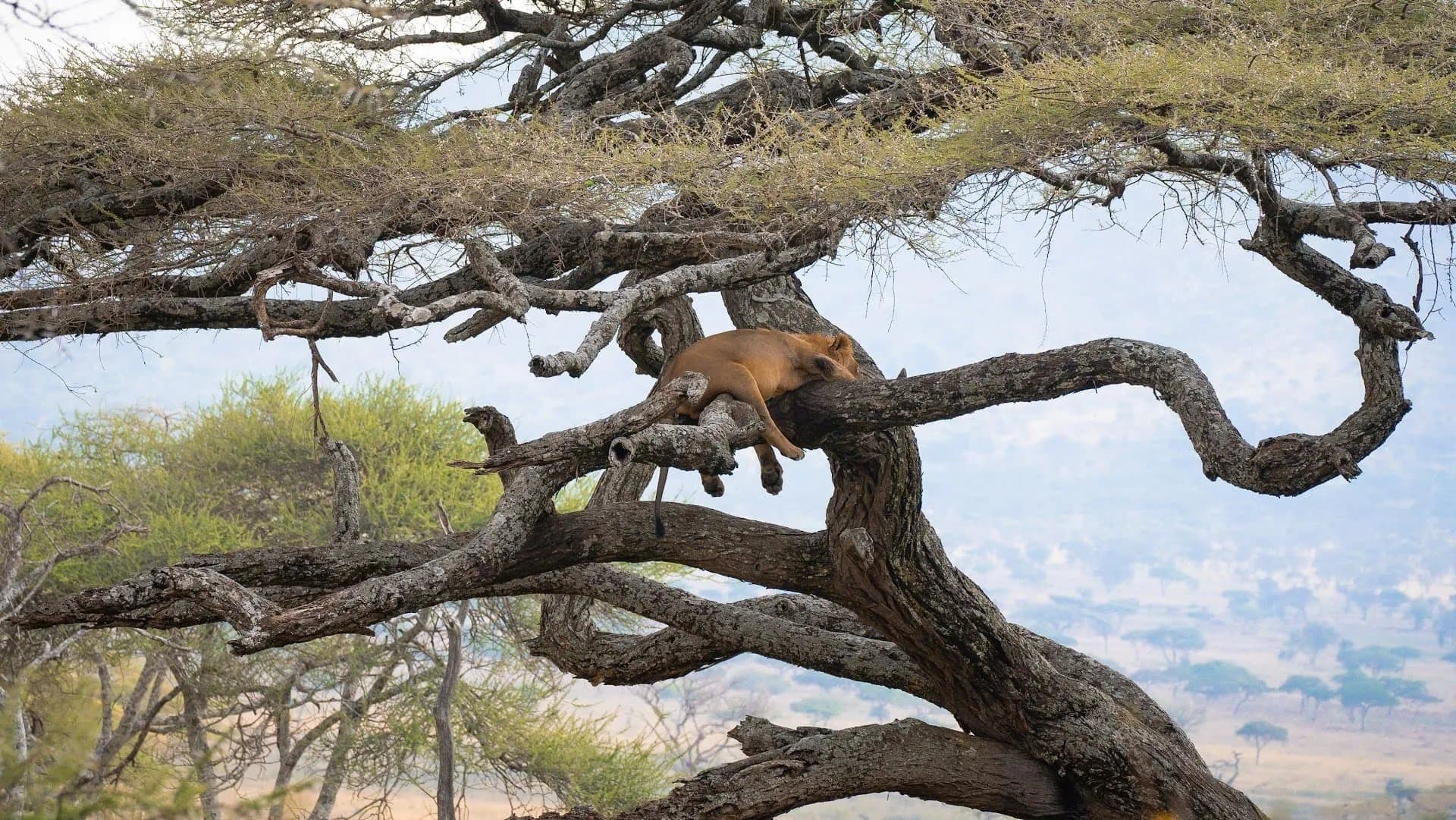
There's a moment every first-time safari-goer remembers with total clarity. Maybe it's a lion pride stirring in the gold light of dawn. Maybe it's the silence right before an elephant herd crosses the road ahead of your vehicle. Maybe it's simply the realization, twenty minutes into your first game drive, that nothing you watched on a screen prepared you for how alive the Serengeti actually is.
That moment is what a classic game drive safari is built around. It's the original safari experience — the one that put East Africa on the map — and it remains, for good reason, the most popular way to see this part of the world. This guide walks through everything: where you'll go, when to go, what a typical day looks like, what it costs, and the practical details that make the difference between a good trip and an extraordinary one.
What Exactly Is a "Classic Game Drive Safari"?
At its core, a classic game drive safari means exploring East Africa's national parks from a 4x4 vehicle with a professional guide, tracking wildlife across some of the most biodiverse landscapes on Earth. It's distinct from a walking safari (on foot), a fly-in safari (aircraft between parks), or a mobile-camp safari (moving camps that follow the migration) — though all of these can be combined into a single trip.
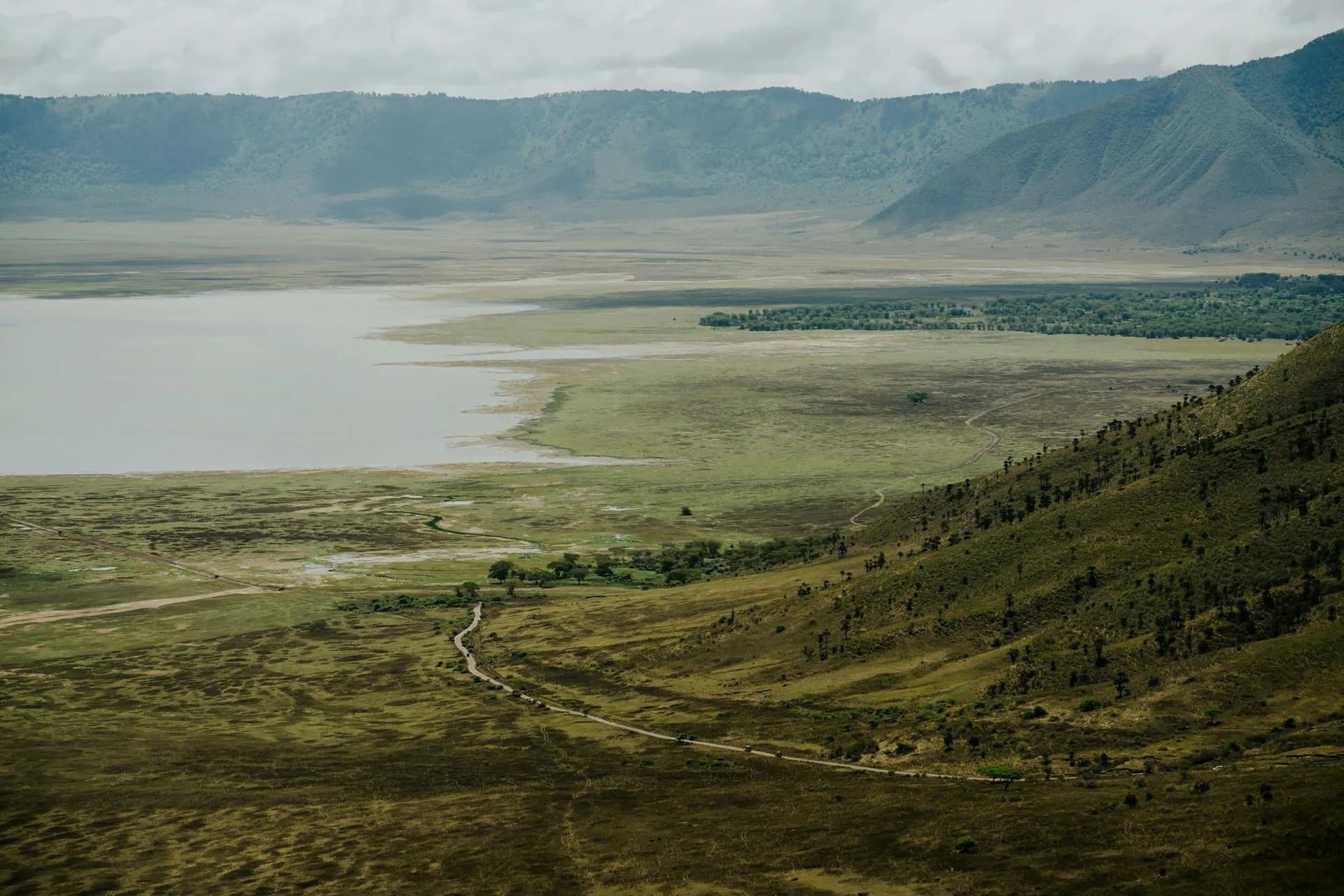
For most travelers, "classic" means a circuit through Tanzania's Northern Parks: the Serengeti, Ngorongoro Crater, and Tarangire, sometimes with Lake Manyara added. This trio covers an extraordinary range of terrain and wildlife density in a relatively compact area, which is exactly why it's become the default introduction to African safari.
Why This Is Still the Most Popular Way to Safari
There's a reason the classic format hasn't been replaced by newer, flashier alternatives. A few things make it genuinely hard to beat:
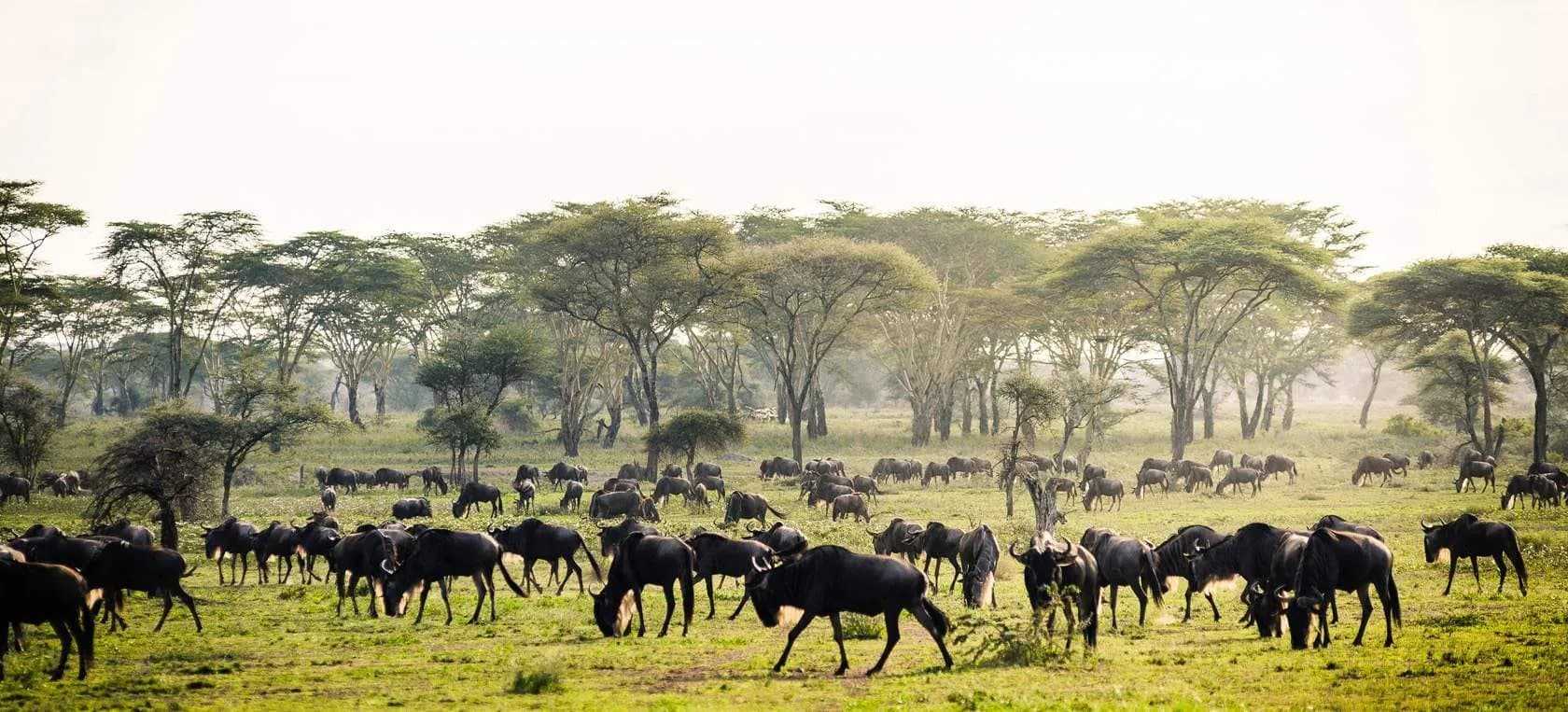
Wildlife density. The Serengeti-Ngorongoro ecosystem has one of the highest concentrations of large mammals anywhere on the planet. You are not hoping to see wildlife here — you are managing how much of it you see in a single day.
Logistical simplicity. Overland game drives between parks let you experience the landscape changing in real time — savanna giving way to crater highlands, acacia woodland thinning into open plains — in a way that flying between parks skips entirely.
Flexibility. A classic game drive safari scales from a tight 5-day introduction to a sprawling 14-day exploration without losing its essential character. It also pairs naturally with almost anything else — a Zanzibar beach extension, a Kilimanjaro climb, a cultural detour to visit the Maasai or Hadzabe.
Guide expertise. Because this is the most-run itinerary type, it's also the one your guides know most intimately — every waterhole, every den site, every seasonal pattern.
When to Go
Timing shapes a classic safari more than almost any other decision you'll make. Here's the honest breakdown:
June to October (dry season) is the most popular window, and for good reason. Vegetation thins out, animals concentrate around permanent water sources, and visibility is excellent. This is also when the Great Migration's dramatic river crossings typically happen in the northern Serengeti and Masai Mara.
December to March brings the short rains' aftermath — lush, green landscapes, dramatic skies, and the migration's calving season in the southern Serengeti and Ndutu, when hundreds of thousands of wildebeest calves are born within a few short weeks. Predator action during calving season is extraordinary.
April and May (long rains) is the quietest period — fewer travelers, lower rates, but some roads become difficult and a handful of camps close entirely. Worth considering if budget matters more than convenience, but not for a first safari.
There is genuinely no bad time to visit the Serengeti-Ngorongoro ecosystem — the wildlife doesn't leave. What changes is where the best action is concentrated, and a good guide will always know exactly where that is on the week you're traveling.
What a Typical Day Actually Looks Like
If you've never been on safari, the daily rhythm might surprise you. It's less "packed tourist itinerary" and more a slow, deliberate unspooling of the day around the light and the animals.
5:30 AM
Pre-dawn wake-up
Most game drives start before sunrise — not for the sake of an early start, but because dawn is when predators are most active and the light is at its best.
6:00 – 10:00 AM
Morning game drive
Typically three to four hours, often with a stop for coffee and a bush breakfast somewhere scenic.
Midday
Midday rest
Animals bed down in the heat, and so do you — back at camp for lunch and downtime, or a picnic lunch if you're covering longer distances between parks.
4:00 – 6:30 PM
Afternoon game drive
Beginning as the heat breaks, running through to sunset. This is often when the best predator activity of the day happens, as the bush cools and animals become active again.
Evening
Evening at camp
Dinner, conversation, and — depending on your camp — a fire under a genuinely staggering number of stars.
This rhythm repeats, park to park, for the length of your trip, punctuated by the transitions between destinations, which are themselves part of the experience.
What It Costs, and What Drives the Price
Classic game drive safaris in Tanzania typically range from around $2,450 per person for a well-run 5-day introduction to considerably more for longer, more luxurious, or more exclusive itineraries.
A few things move the number meaningfully:
- ›Accommodation tier — from comfortable tented camps to award-winning luxury lodges, the same route can vary enormously in price depending on where you sleep.
- ›Group size — private safaris (just you and your group) cost more per person than joining a scheduled small-group departure.
- ›Duration and parks visited — each additional park or day adds guiding, park fees, and accommodation costs.
- ›Season — high season (June–October, December–January) commands premium pricing across nearly every camp and lodge.
What's almost always included: park entrance fees, a private guide and 4x4 vehicle, all meals during the safari, and accommodation. What's typically excluded: international flights, visas, tips, and travel insurance — worth confirming line by line with any operator before booking.
What's included
- Park entrance fees
- Private guide & 4x4 vehicle
- All meals during the safari
- Accommodation as specified
Not included
- International flights
- Visa fees
- Tips & gratuities
- Travel insurance
What to Pack
Neutral-colored clothing (khaki, olive, tan — avoid bright colors and pure white, which show dust), a wide-brimmed hat, high-SPF sunscreen, binoculars if you have them, a lightweight rain jacket regardless of season, and a good camera or phone with a spare battery — you will use it more than you expect.
Photo gallery
What our guests say
“Wow, just wow, what an experience! My girlfriend and I had a 5-day tour of Lake Manyara, Serengeti and Ngorongoro Crater and it was nothing short of spectacular. Our guide George's enthusiasm for Tanzania and the wildlife was so contagious. We saw so many animals and managed to spot the Big 5!! He definitely went above and beyond.”
Erick Edwin — Lake Manyara, Serengeti & Ngorongoro
“Phenomenal! Upon our arrival Mike called us up as soon as we landed. The trip he put together for us was more than we could have expected. From our very first game drive we were blown away by the wildlife we encountered. Mike showed incredible passion, professionalism, and people skills. We would go back in a heartbeat.”
Lauren — Tanzania Safari
Frequently asked questions
How many days do I need for a first safari?
Five to seven days is a solid introduction, giving you enough time in each park without feeling rushed between stops. Shorter trips are possible but tend to compress the experience; longer trips let you go deeper into fewer places.
Will I definitely see the Big Five?
Ngorongoro Crater offers the best odds of seeing all five (lion, leopard, elephant, buffalo, and rhino) in a single day anywhere in Africa, though nothing in the wild is ever guaranteed. Most multi-day itineraries across several parks see the vast majority of the Big Five.
Is a classic game drive safari good for families with children?
Yes, with some adjustments — shorter drives, kid-friendly lodges, and pacing built around younger attention spans. If traveling with children, it's worth mentioning ages upfront so your itinerary can be built accordingly.
How physically demanding is it?
Not demanding at all in the traditional sense — you're seated in a vehicle for the vast majority of the experience. The early mornings and long days are the main physical consideration, not fitness.
Can I combine this with other experiences?
Almost always. A classic game drive safari pairs naturally with a Zanzibar beach extension, a Kilimanjaro climb before or after, or a cultural visit to a Maasai or Hadzabe community.
How much does a Tanzania safari cost per person?
A well-run 5-day classic safari starts at around $2,450 per person, with longer or more luxurious itineraries rising from there. Park fees, a private guide and 4x4, meals and accommodation are included in our prices; international flights, visas, tips and insurance are the usual extras.
What is the best time of year for a safari in Tanzania?
June to October (dry season) offers the easiest game viewing and the migration river crossings; December to March adds green landscapes and the calving season. There is no genuinely bad month — the wildlife stays, only the location of the best action changes.