The complete guide
Any safari vehicle can stop in front of a lion. The difference on a photography safari is everything that happens next: your guide switches off the engine and rolls forward those last two meters so the light falls across the lion's face instead of behind it. Nobody says "okay, moving on" after ninety seconds. You wait — five minutes, twenty, forty — because the lion is going to yawn eventually, and a yawning lion at golden hour is why you flew here with eleven kilos of glass.
A wildlife photography safari is not a standard safari with more camera talk. It is a different trip, run to a different clock, with different priorities baked into every decision — the vehicle, the schedule, the sightings you skip and the ones you refuse to leave. This guide explains how it works, when the light and the action align, and what it costs.
What Exactly Is a Wildlife Photography Safari?
The core difference is intent. A standard safari optimizes for seeing as much as possible; a photography safari optimizes for photographing fewer things exceptionally well. In practice that means: departures timed to first light rather than breakfast, a guide who understands sun angle and backgrounds and positions the vehicle accordingly, long unhurried sessions at productive sightings, and a vehicle configured for shooting — window-level support, room to spread gear, charging for batteries, and crucially, fewer people in it.
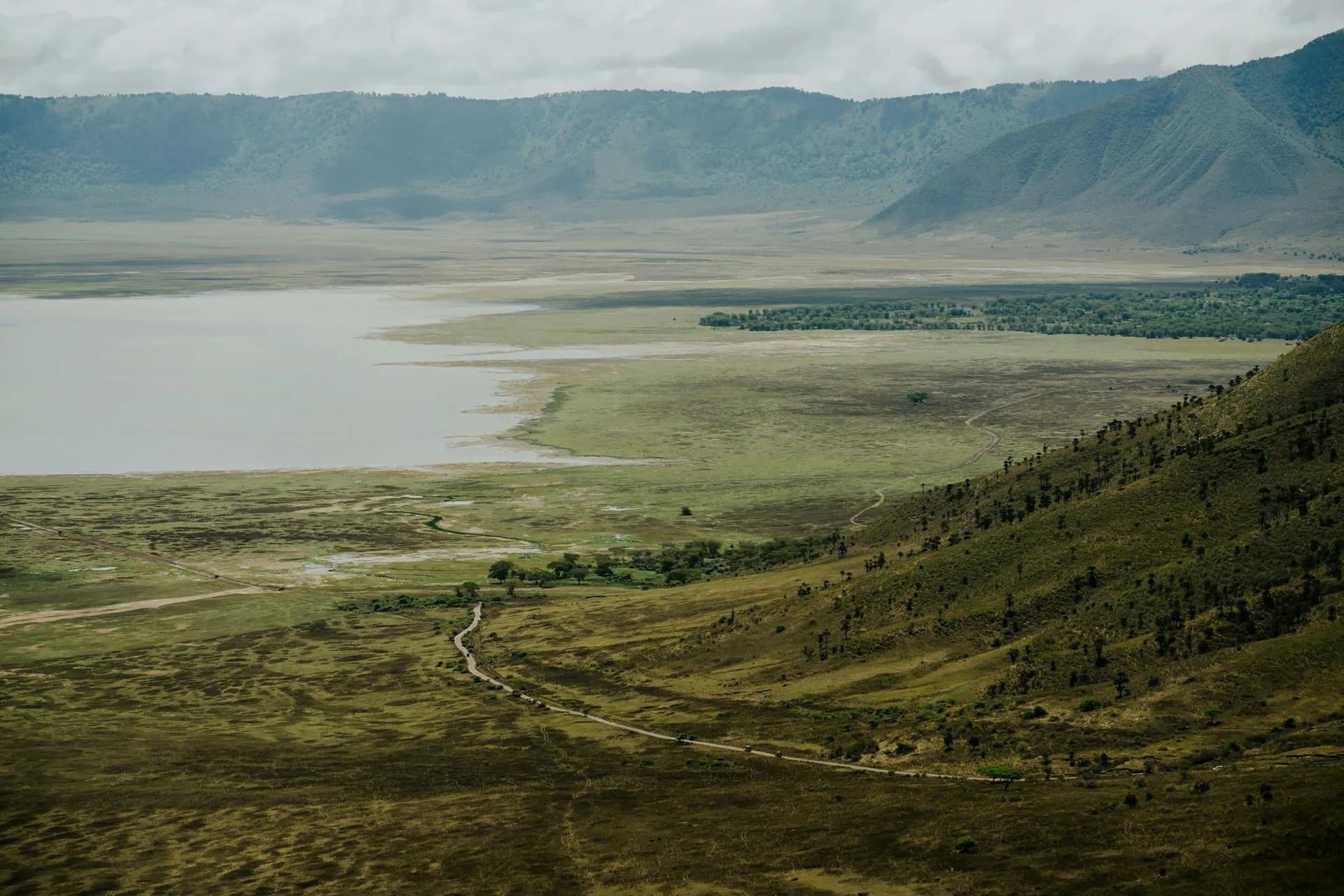
It also means route choices driven by photographic potential: the Ndutu short-grass plains in calving season for predator action, the Seronera river lines for leopards, Ngorongoro's crater floor for portraits against blue-hazed walls, and the migration river crossings for the most explosive action frames in Africa.
Why a Dedicated Photo Safari Beats Winging It
Position is everything, and it can't be retrofitted. The difference between a snapshot and a portfolio image is usually thirty degrees of vehicle angle and the patience to wait for behavior. On a mixed-interest safari, neither is reliably available — there are five other people in the vehicle who have seen enough of this leopard.
Time at sighting is the real currency. Action happens in bursts after long stillness: the hunt, the takeoff, the greeting ceremony. Photographers who spend two hours with one cheetah family routinely out-shoot those who tick off twenty sightings at four minutes each.
The guide is half the photograph. A photography-literate guide anticipates behavior — reads the tail flick, the ear angle, the vultures stacking up two kilometers out — and has you positioned, engine off, before it happens rather than during.
When to Go
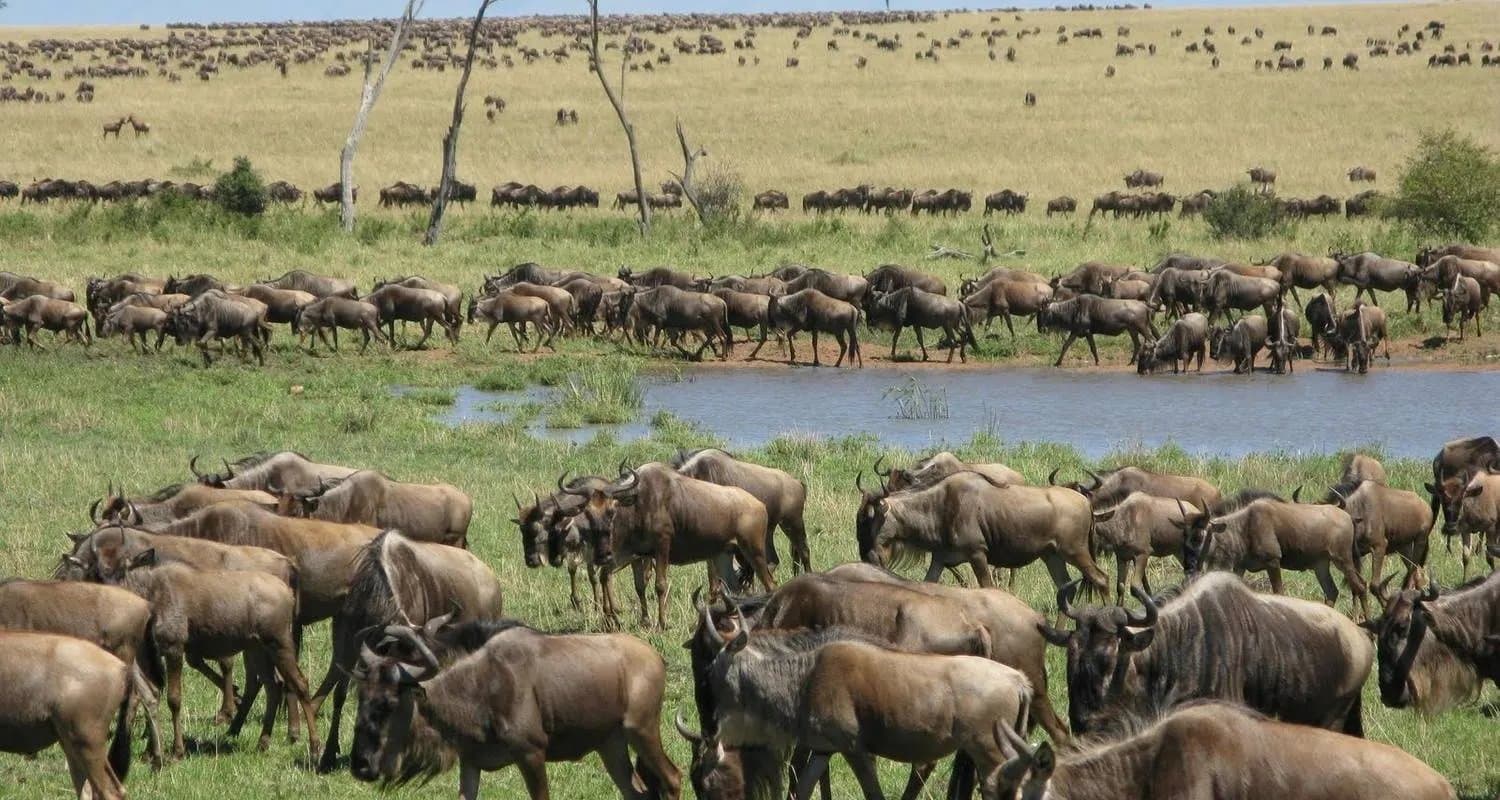
January to March (calving season, Ndutu) is arguably the finest predator photography on the continent — cheetah and lion hunting daily on open short-grass plains, dramatic storm skies, and newborn everything. June to October trades green backdrops for dust, golden backlight and the river crossings: harsher light by mid-morning, but unmatched action.
The honest contrarian pick: April–May and November. Yes, it rains. But rain means charged skies, rainbow light, dust-free air, lush backgrounds and almost no other vehicles at your sighting — and low-season rates buy you extra days, which matter more to a portfolio than perfect weather. There is no bad photographic season here; there are only different portfolios.
What a Typical Day Actually Looks Like
5:15 AM
Leave camp in the dark
Out before first light to be at the target area as the sky turns. Coffee travels with you.
6:00 – 10:30 AM
Golden hour and the long sit
The serious session: low light, active predators, and the patience to stay with one subject while it happens.
Midday
Edit, charge, rest
Harsh-light hours back at camp: backing up cards, first-pass edits, charging everything, comparing notes.
3:30 – 6:45 PM
Afternoon session
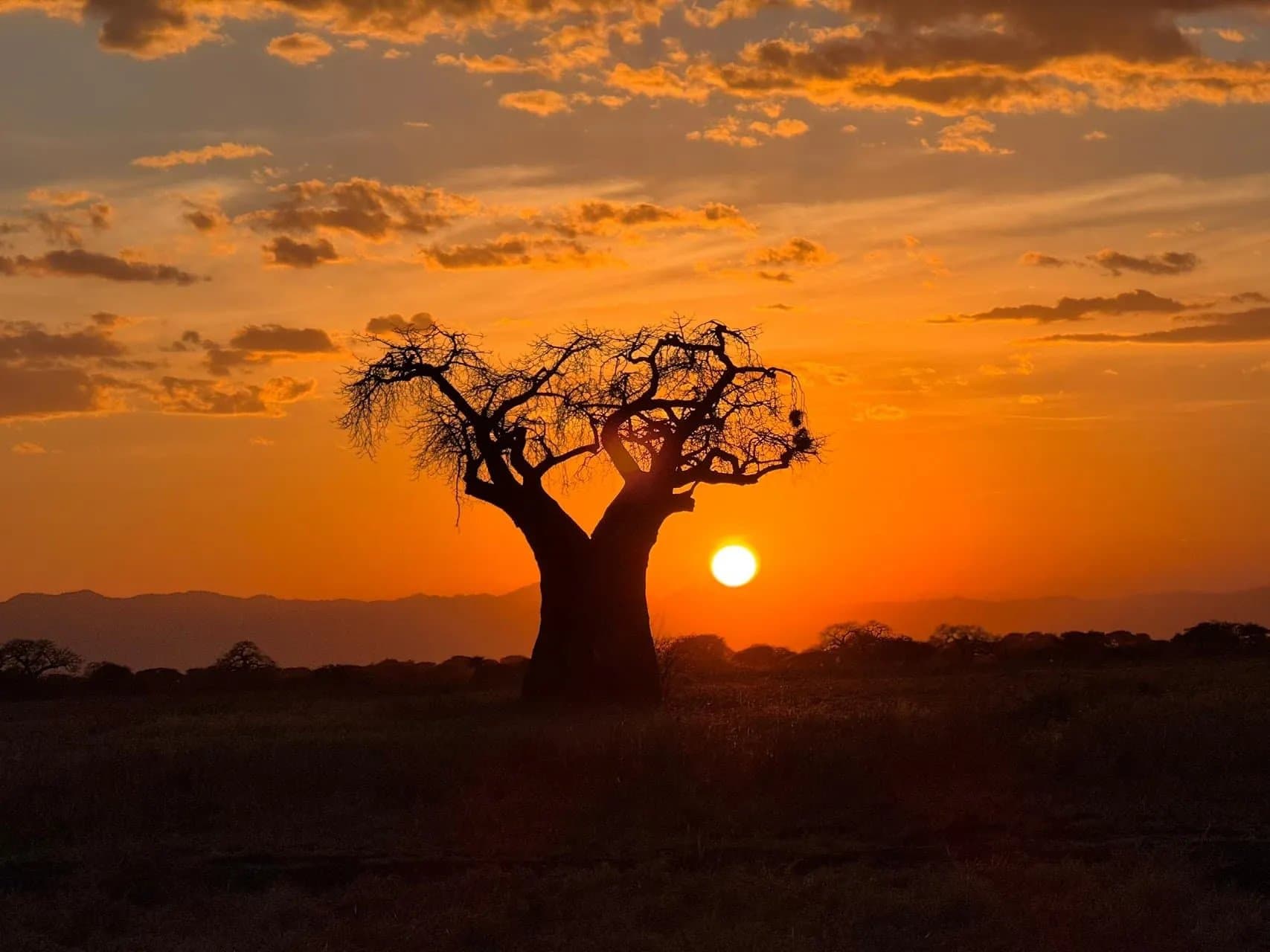
Back out as the light softens, working backlight and dust toward sundown — and staying out to legal limits for dusk frames.
Evening
Review over dinner
The day’s keepers on a laptop, and a plan for tomorrow built around what the bush is doing right now.
What It Costs, and What Drives the Price
Dedicated photography itineraries start from around $3,900 per person for 7 days — a premium over an equivalent standard safari that buys specific, tangible things:
- ›Fewer seats sold per vehicle — photographers need a row each (or the whole vehicle); empty seats are the honest cost of elbow room and clean angles.
- ›Prime-location camps — sleeping inside the productive zones (Ndutu in February, the north in August) costs more and saves the golden hour from being spent in transit.
- ›Longer duration — portfolios are built on repetition and luck-surface-area. Ten days materially outperforms seven; we will always advocate for the extra days over the fancier lodge.
- ›Private vehicle upgrades — the full-vehicle option removes every compromise and is the standard choice for serious shooters and small photo groups.
What's included
- Photography-configured 4x4 & guide
- All park fees & accommodation
- All meals on safari
- In-vehicle charging & bean bags
Not included
- International flights & visa
- Camera gear & insurance
- Tips & gratuities
- Drone permits (drones are heavily restricted — ask first)
What to Pack
Bring the longest lens you can travel with — 400mm is the working minimum for tight wildlife frames, and a second body with a 70–200mm saves the lens-swap that always coincides with the action. Beyond glass, the unglamorous items decide your trip: dust protection, spare batteries (cold mornings drain them), and double the memory cards you think you need. A bean bag beats a tripod in a vehicle, and we provide them.
Photo gallery
What our guests say
“EWA Safari Outfitters gave us the most incredible experience of our lives. Our guide Samuel knew exactly where to find the leopard we'd been hoping to see — and delivered it on our last morning. Every detail was perfect. We'll be back for Kilimanjaro!”
Sarah & Michael Thompson — 7-Day Serengeti & Ngorongoro
“It was my first time visiting Tanzania and experiencing the magical wilderness — I was so excited. A friend recommended EWA Safari Outfitters and I cannot thank him enough. They were amazingly quick to answer my inquiry and helped us get the best accommodations. When we touched down in Arusha, they welcomed us like royals — a bottle of champagne and exotic Tanzanian fruits. We were all so pleasantly surprised!”
Ruaika — Wildlife Safari Tanzania
Frequently asked questions
I’m an enthusiast, not a pro — is this for me?
Yes. The format rewards anyone who cares about their images, whatever the gear. Most guests shoot advanced amateur kit, and the biggest gains — light, position, patience — have nothing to do with owning exotic lenses. Guides calibrate coaching to your level, from exposure basics to behavior anticipation.
What gear should I bring if I can only carry one lens?
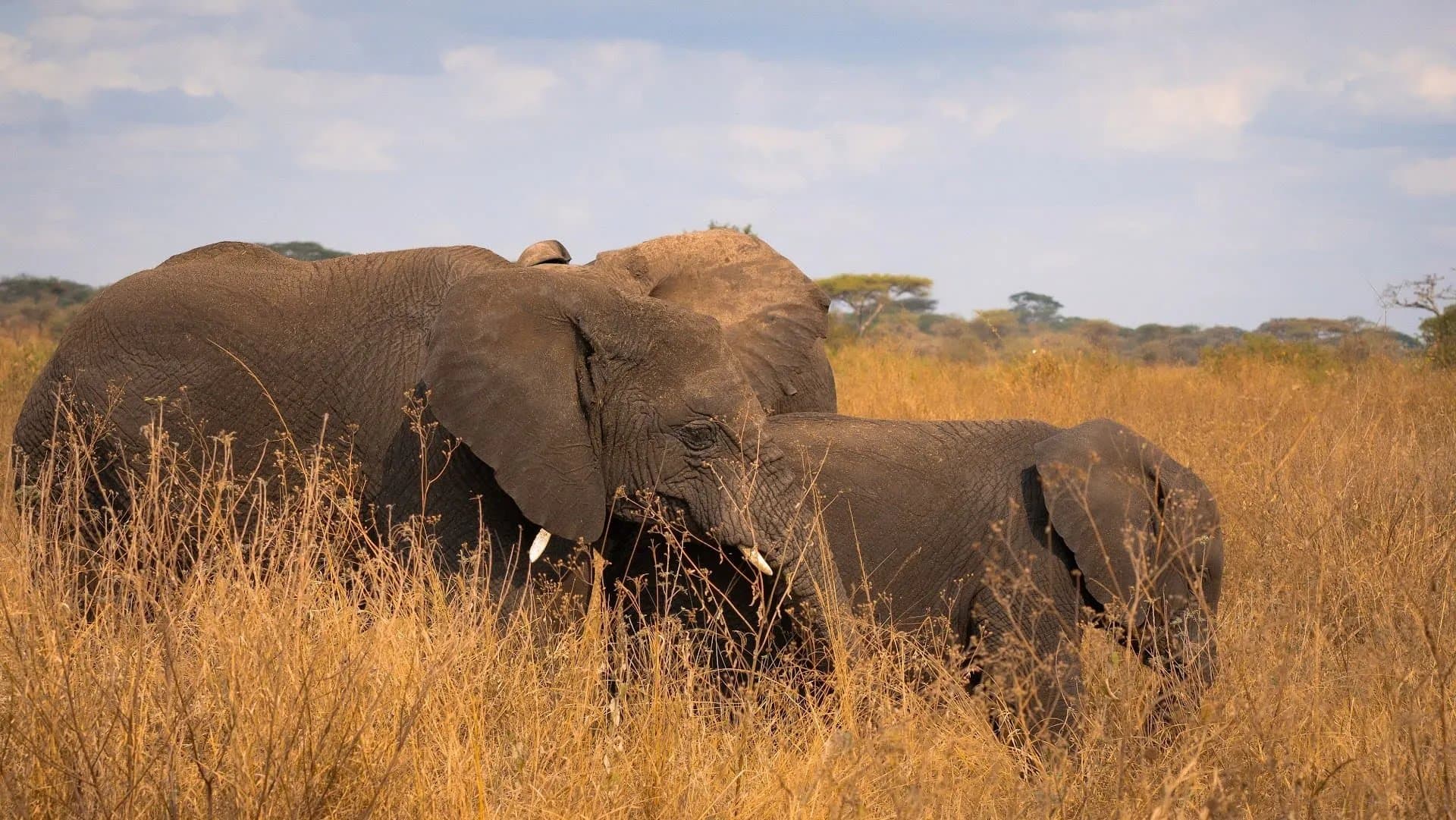
A 100–400mm or 200–600mm zoom is the single most versatile safari lens: long enough for portraits, flexible enough for environmental frames when an elephant fills your viewfinder at thirty meters. Pair it with dust protection and more batteries than feels reasonable.
Can I hire or share a private vehicle?
Yes — solo photographers and small groups can book the entire vehicle, which is the gold standard: every angle yours, every decision yours. Couples who shoot together often find one shared vehicle with a row each is the perfect balance of cost and space.
Is there someone to help with camera settings?
Our photography-safari guides are chosen for photographic literacy — positioning, light and behavior anticipation — and can absolutely help with settings and technique. For dedicated tuition-led trips with a professional photographer hosting, ask us about scheduled photo-hosted departures.
What about drones?
Drones are effectively prohibited in Tanzania’s national parks without special permits that are rarely granted to visitors. Assume you cannot fly, and tell us in advance if aerial work matters — a hot air balloon flight is the legal way to shoot the Serengeti from above.
Which season should a first-time photo safari pick?
If predator action is the goal, February in Ndutu during calving season is the strongest single answer. If you want the iconic dust-and-river drama, August–September in the northern Serengeti. Both deliver; they just deliver different portfolios.
When is the best time for a photography safari in Tanzania?
February in Ndutu for daily predator action on open plains and dramatic storm light; August–September in the northern Serengeti for river-crossing drama and golden dust. The green months (April–May, November) trade some weather for empty sightings and moody skies.