The complete guide
The strangest part is the silence. You expect flight to be loud — engines, wind, something — but when the burners cut out a few hundred feet over the Serengeti, the quiet is total, and then it isn't: you can hear the plains below you. Zebra barking. A hyena somewhere. The world's biggest landscape, delivering its own soundtrack while you drift over it like a slow thought.
A balloon safari is the shortest experience on this site and, minute for minute, one of the most argued-about at dinner afterwards — was it worth it? (Almost everyone lands on yes.) This guide covers exactly how the morning unfolds, when and where flights operate, what the $550 buys, and who should think twice.
What Exactly Is a Hot Air Balloon Safari?
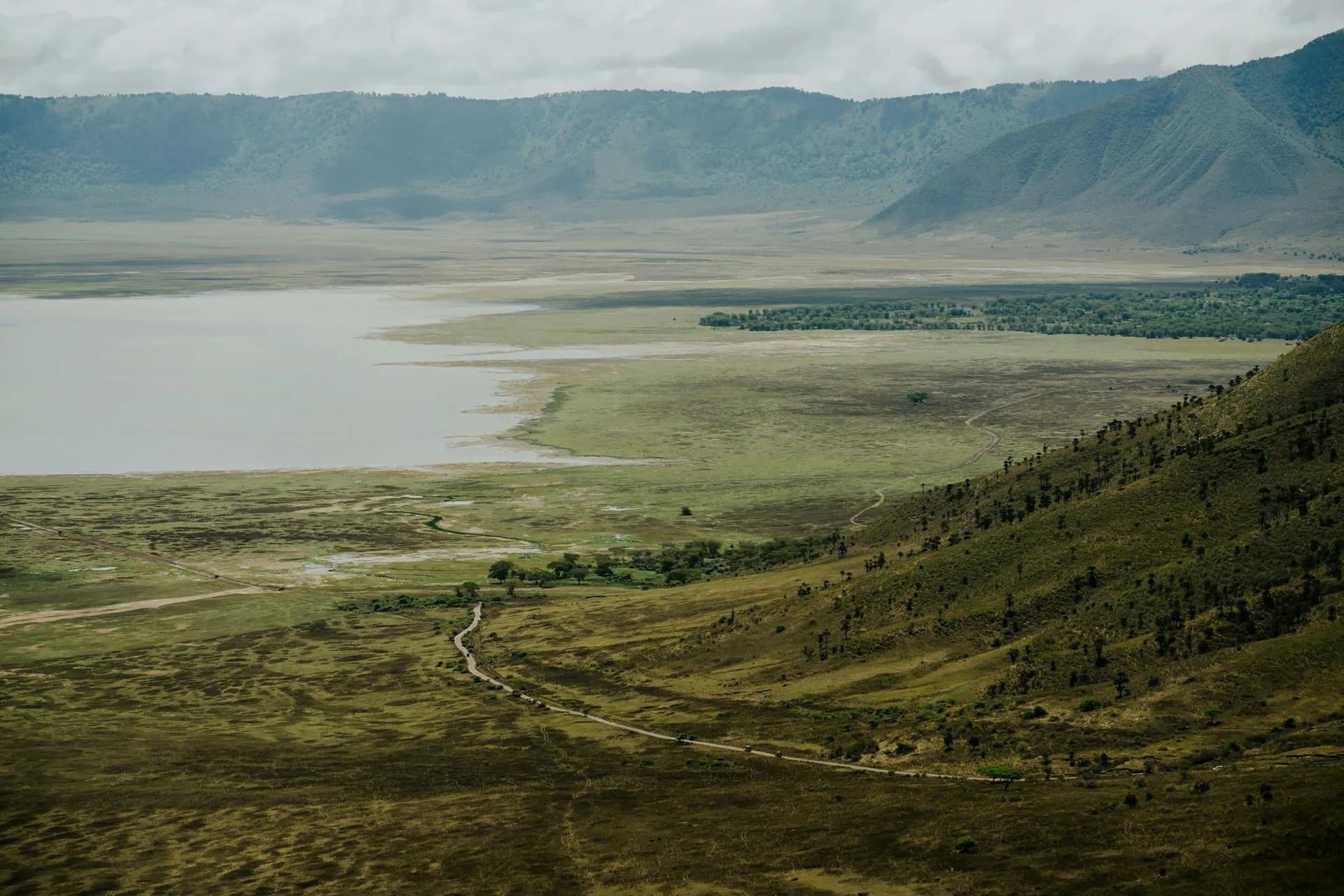
A dawn flight over the Serengeti in a passenger balloon flown by a licensed commercial pilot, lasting about an hour depending on winds. You launch as the sun rises, drift at anywhere from treetop height — low enough to look a giraffe close to level in the eye — to a few hundred meters, where the scale of the ecosystem finally makes visual sense: herds as brushstrokes, rivers as silver wire, the plains running out past the curve of the light.
The flight path is the wind's decision; the pilot steers by finding different currents at different altitudes. That unrepeatability is part of the charm — no two flights cross the same ground. Landing is wherever the morning takes you, followed by the tradition the whole thing is famous for: a full champagne bush breakfast set up in the grass, a custom inherited from ballooning's earliest days.
Why It Earns Its Reputation
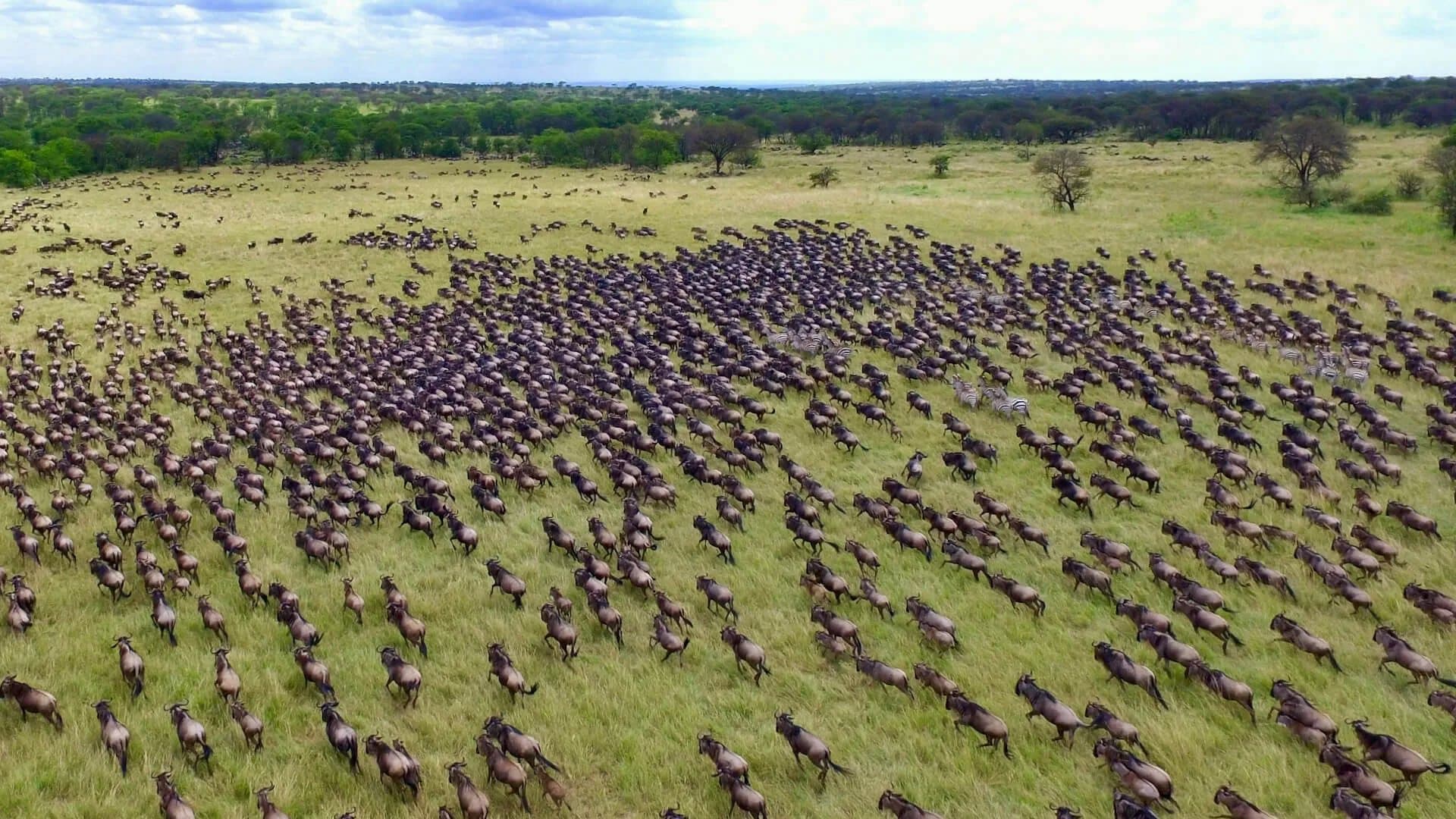
It's the only legal way to see the Serengeti from above. Drones are effectively prohibited in the national parks, and scenic fixed-wing flights don't linger. The balloon is the one aerial perspective available — and the perspective is the product: the migration's true scale, in particular, simply cannot be understood from the ground.
It photographs like nothing else on your trip. Golden light, long shadows, herds scattering below in patterns — plus the other balloons lit up against the sunrise, which end up in everyone's favorite frames. It is also the single most-booked honeymoon surprise we arrange.
It costs you nothing from the safari itself. The flight replaces the first ninety minutes of a game drive, not a day; you're typically back with your guide by mid-morning, breakfast already accomplished, smugness included.
When to Go
Balloons fly all year, and the honest answer is that the best month to fly is whichever month you're already there — the add-on should follow the safari, not lead it. That said: June to October brings the crispest air and, in the north, the migration herds; January to March puts the calving season's enormous southern gatherings under your basket, arguably the single best thing to float over.
The tradeoff months are April–May, when rain and wind cancel more flights (operators rebook or refund — you don't pay for a flight that doesn't happen, but you may not get a second dawn). Note also that flights operate from set launch areas — central Serengeti year-round, with seasonal sites following the migration — so where you're staying determines whether the balloon is a five-minute or ninety-minute pre-dawn drive away. We check this when building your itinerary.
What the Morning Actually Looks Like
4:45 AM
Pick-up in the dark
A transfer from your camp to the launch site, with the headlights occasionally picking out the nightlife commuting home.
5:45 AM
Inflation & briefing
The balloon fills, glowing like a lantern in the half-light. Safety briefing, then aboard the basket — often loaded on its side, which is more fun than it sounds.
6:15 AM
Lift-off at sunrise
The ground lets go. About an hour of drifting — treetop-low over rivers, high over the plains, burners roaring then absolute silence.
7:30 AM
Landing & champagne breakfast
Bump, tip, laughter. Then tables in the grass: full English breakfast, sparkling wine, and a flight certificate in the old ballooning tradition.
9:30 AM
Back on safari
Your guide collects you and the game drive resumes — with the day’s best story already banked.
What It Costs, and What Drives the Price
A Serengeti balloon flight costs around $550 per person as an add-on to any of our safaris — a fixed-price item with unusually little fine print. What's inside that number:
- ›The full half-day — camp pick-up, the flight itself (about an hour, winds deciding), champagne bush breakfast and transfer back to your guide.
- ›A shared basket — baskets carry groups in compartments; this is a sociable experience by design. Private-basket charters exist at a very different price — ask if it matters.
- ›Weather protection — if the pilot cancels for wind or rain, you are rebooked or refunded. The pilot’s judgment is final and you want it that way.
- ›The one hidden cost is sleep — pick-ups run pre-5 AM. Position yourself at a central Serengeti camp the night before and the alarm hurts less.
What's included
- Camp pick-up & return transfer
- ~1 hour flight with licensed pilot
- Champagne bush breakfast
- Flight certificate
Not included
- Park fees (covered by your safari)
- Tips for balloon crew
- Private basket upgrade
- Anything if the flight cancels — you are refunded or rebooked
What to Pack (for One Strange, Wonderful Morning)
Layers are the whole game: pre-dawn at altitude is genuinely cold, the burner over your head is warm, and the breakfast table an hour later sits in full sunshine. Wear flat closed shoes (landings can be bumpy), keep your hat in a pocket rather than on your head, and strap your camera to your person — over the basket edge is a one-way trip.
Photo gallery
What our guests say
“I've done safaris in Kenya and South Africa, but Tanzania with EWA Safari Outfitters was on another level. No crowds, no cookie-cutter experiences — pure, authentic wilderness. The balloon over the Serengeti at sunrise was life-changing.”
James Kowalski — 10-Day Northern Circuit
“Great experience! We had an amazing time during this safari journey. Mike was always present and left a great impression — he was warm, professional, and made sure we saw as much wildlife as possible. It was one of the most extraordinary experiences we have ever had in Tanzania. I would not hesitate to book with EWA Safari Outfitters again.”
Cindy — Tanzania Wildlife Safari
Frequently asked questions
Is the balloon safari worth $550?
For most travelers, honestly, yes — with a caveat. It is the only aerial view of the Serengeti available, the champagne breakfast is a genuine production, and it consistently ranks in guests’ top three memories. The caveat: on a tight budget, an extra game-drive day delivers more wildlife per dollar. This is the splurge item; treat it as one.
Will we fly over the migration?
If the herds are within range of a launch site, pilots absolutely position for them — floating over the migration is the format’s crown jewel. But balloons go where the wind goes, and herds move daily; no operator can promise it. Booking a camp near the herds in season is the best way to load the dice.
Is it safe? Who flies the balloon?
Flights are operated by licensed commercial pilots under civil aviation regulation, with strict wind limits and daily go/no-go calls — cancellation is the safety system working, not a failure of it. The landing can be a bump-and-drag in a breeze; the briefing covers the brace position, and flat shoes are your contribution.
Can children fly? Any other restrictions?
Operators generally set a minimum age around 7 and require children to be tall enough to see over the basket edge. Pregnant travelers and passengers with recent hip/back/knee surgery are typically advised not to fly, and there can be practical mobility requirements for the basket entry and landing position. We confirm current operator rules when booking.
What happens if the weather cancels the flight?
The pilot makes the call at dawn; if it’s a no, you are rebooked onto the next available morning where the itinerary allows, or refunded in full. This is also the quiet argument for scheduling the balloon early in your Serengeti stay rather than on the final morning.
Do I lose a game drive by doing this?
Barely. You trade the first ninety minutes of one morning drive and rejoin your guide around 9:30 with breakfast already done — the rest of the day proceeds as normal. Many guests say the post-flight drive feels like a bonus round.
How long does a Serengeti balloon safari last?
The flight itself runs about an hour, wind depending; the full experience is a half-day — pre-dawn pick-up around 4:45 AM, inflation and briefing, the sunrise flight, champagne bush breakfast, and return to your guide by roughly 9:30 AM.