The complete guide
Every birder knows the moment the group's priorities diverge. The other vehicles are stacked three-deep around a sleeping lion; your guide, unbothered, is easing down a side track because something small and improbable just moved in the sausage tree — and thirty seconds later you have binoculars full of a Von der Decken's hornbill, and the lion has been entirely forgiven for being asleep.
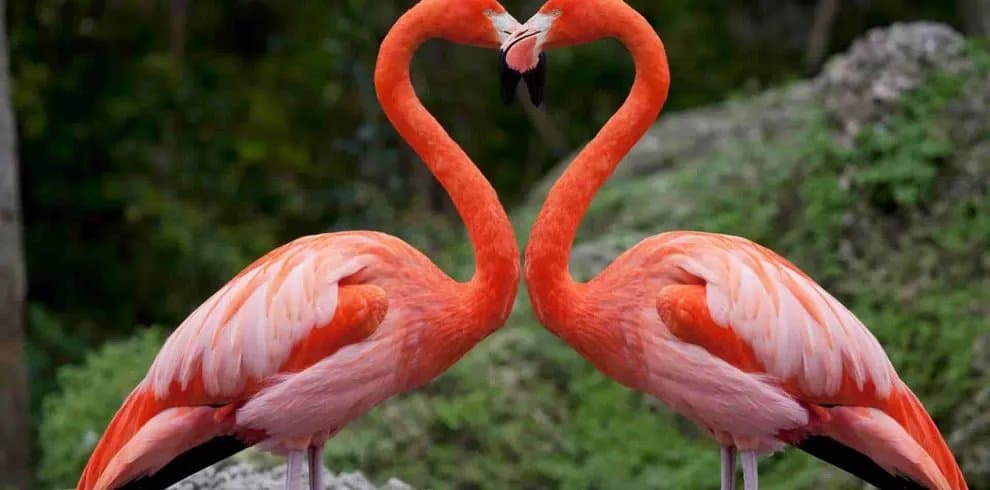
Tanzania is one of Africa's great birding nations — more than 1,000 recorded species across an absurd range of habitats: soda lakes ringed pink with flamingos, riverine forest, endless savanna, miombo woodland, montane forest and coast. A birding safari simply reorders the safari's priorities so the country's most diverse wildlife class gets top billing — without giving up the elephants, which have a habit of walking through the middle of the birding anyway.
What Exactly Is a Birding Safari?
Structurally, it's a private safari with a specialist birding guide and a rhythm built around bird activity: earlier, slower drives with long unhurried stops; walking where parks permit it; time budgeted by habitat rather than by big-game circuit — a morning in Lake Manyara's groundwater forest, an afternoon working Tarangire's swamps, days on the Serengeti plains for larks, coursers and raptor-heavy skies.
Because it's tailor-made, the route follows your list. Generalists get the Northern Circuit's staggering variety; hardcore listers push into the south — Ruaha's miombo specials, Nyerere's river systems, where a boat safari doubles as the best kingfisher-and-bee-eater platform in the country. And the big game still happens: a birding safari in Tanzania forfeits nothing except impatience.
Why Tanzania Belongs on Every Birder's Map
The numbers are continental-class. Over 1,000 species including dozens found nowhere else on Earth, from Fischer's lovebird flashing through the acacias to the grey-breasted spurfowl scratching around Serengeti kopjes. A well-routed two-week trip can log 400+ species without heroics.
The watching is embarrassingly easy. Open habitats, dense concentrations and vehicle-tolerant birds make Tanzania a generous classroom — kori bustards displaying beside the track, lilac-breasted rollers posing like paid models, secretarybirds striding the plains at eye level from the roof hatch.
It's the best dual-mandate destination anywhere. For couples where one birds and one doesn't, no country splits the difference better: the non-birder gets lions and leopards on the same drives the birder spends filling pages. Everyone returns claiming the trip was designed for them.
When to Go
Birding flips the classic safari calendar. November to April is the birder's high season: Palearctic migrants pour in from Europe and Asia, resident species breed in full display plumage, and the green landscape hums with activity. That this coincides with the wildebeest calving season in the south is a happy bonus — predators and passerines in the same morning.
June to October remains excellent — the residents, raptors and waterbirds don't leave, and dry-season game viewing is at its peak for the non-birding half of the vehicle. The honest tradeoff: no migrants, and less breeding finery. If the list is the point, come in the green months and pack for the odd shower.
What a Typical Day Actually Looks Like
5:45 AM
Dawn chorus, coffee in hand
The best birding hour of the day starts at the lodge itself — gardens and camp edges are habitat too.
6:30 – 11:00 AM
The long morning drive
Slow, engine-off birding by habitat: forest edge, swamp margin, open plain. The list grows in double digits per hour.
Midday
List over lunch
Records updated, field guides argued with, and the afternoon target habitat chosen.
3:30 – 6:30 PM
Second habitat
A different ecosystem from the morning — soda lake shore, river line or kopje country — until the light goes golden and horizontal.
Dusk
Nightjars & owls
Where lodges and rules allow, the day ends with the night shift: nightjars on the tracks, owls calling in the dark.
What It Costs, and What Drives the Price
Birding safaris are tailor-made and priced on request — the honest reason is that route, season, guide specialization and pace vary too much for a meaningful flat rate. As orientation: the underlying structure is a private safari, so expect private-safari economics, shaped by the levers below.
- ›The specialist guide — a dedicated birding guide is the trip’s single most valuable line item; ears matter more than optics, and theirs are extraordinary.
- ›Route ambition — a Northern Circuit birding week prices like a classic private safari; adding the southern parks brings flights and remoter camps into the budget.
- ›Pace and duration — birding rewards slow travel: fewer lodges, longer stays, less repositioning. That efficiency partially offsets the specialist premium.
- ›Season — the November–April birding peak overlaps Tanzania’s green season, when lodge rates are often gentler than the July crowds pay.
What's included
- Specialist birding guide & private 4x4
- All park fees & full-board lodging
- Boat safaris where the route includes them
- Checklists & spotting support
Not included
- International flights & visa
- Tips & gratuities
- Personal optics & field guides
- Travel insurance
What to Pack
Your own binoculars are non-negotiable — one pair per person, 8x42 being the safari-birding sweet spot — and a field guide to East African birds earns its weight daily (paper or app; the app wins at dawn playback-checking, the paper wins at lunch arguments). A spotting scope is worth bringing for soda-lake and plains work if you own one; ours can be arranged. Otherwise: the standard neutral safari kit, plus a rain layer in migrant season.
Photo gallery
What our guests say
“It was my first time visiting Tanzania and experiencing the magical wilderness — I was so excited. A friend recommended EWA Safari Outfitters and I cannot thank him enough. They were amazingly quick to answer my inquiry and helped us get the best accommodations. When we touched down in Arusha, they welcomed us like royals — a bottle of champagne and exotic Tanzanian fruits. We were all so pleasantly surprised!”
Ruaika — Wildlife Safari Tanzania
“So helpful! The team at EWA Safari Outfitters was incredibly supportive in planning our trip and answered all our questions promptly. Our guide was knowledgeable and enthusiastic throughout. It was a wonderful experience in Tanzania that I will cherish for years to come.”
Christina — Tanzania Safari
Frequently asked questions
How many species could I realistically see?
A focused week on the Northern Circuit typically logs 250–350 species; a well-routed two-week trip spanning north and south can exceed 400. The variables are season (migrant months add dozens), habitats covered, and how often the non-birders in the vehicle successfully demand a lion stop.
I’m a beginner — is a birding safari wasted on me?
The opposite: Tanzania is arguably the best place on Earth to become a birder. The birds are big, bold, colorful and close, and a specialist guide teaching you rollers, hornbills and bee-eaters in week one is a gateway drug with no known cure. Beginners routinely leave with a life list and a problem.
Can it be combined with a normal big-game safari?
It essentially is one — the vehicle passes the same lions and elephants; it just also stops for the small stuff. For mixed groups we tune the ratio openly: mornings for birds, afternoons for cats, or dedicated birding days woven into a classic itinerary. Nobody rides hostage.
When exactly should a serious lister come?
November through early April, with February–March the sweet spot: Palearctic migrants at full strength, residents breeding in display plumage, and the southern calving spectacle nearby. Bring a rain layer and accept the occasional dramatic sky as part of the deal — the light after a storm is a photography bonus anyway.
Why is there no listed price?
Because a meaningful one doesn’t exist: a week in the north with a birding guide prices very differently from a fortnight adding Ruaha and Nyerere by air. Tell us your dates, target habitats and any bucket-list species, and we’ll quote a real itinerary — usually within 24 hours.
Are there endemic species I can only see in Tanzania?
Yes — Tanzania holds dozens of endemics and near-endemics. Accessible highlights on safari routes include Fischer’s lovebird, the grey-breasted spurfowl around Serengeti kopjes and Ashy starlings in Tarangire, with the deeper endemic treasure chest in the southern and Eastern Arc regions for those who route that way.
How many bird species are there in Tanzania?
More than 1,000 recorded species, including dozens of endemics and near-endemics like Fischer’s lovebird and the grey-breasted spurfowl. A focused week typically logs 250–350 species; a well-routed fortnight can pass 400.