The complete guide
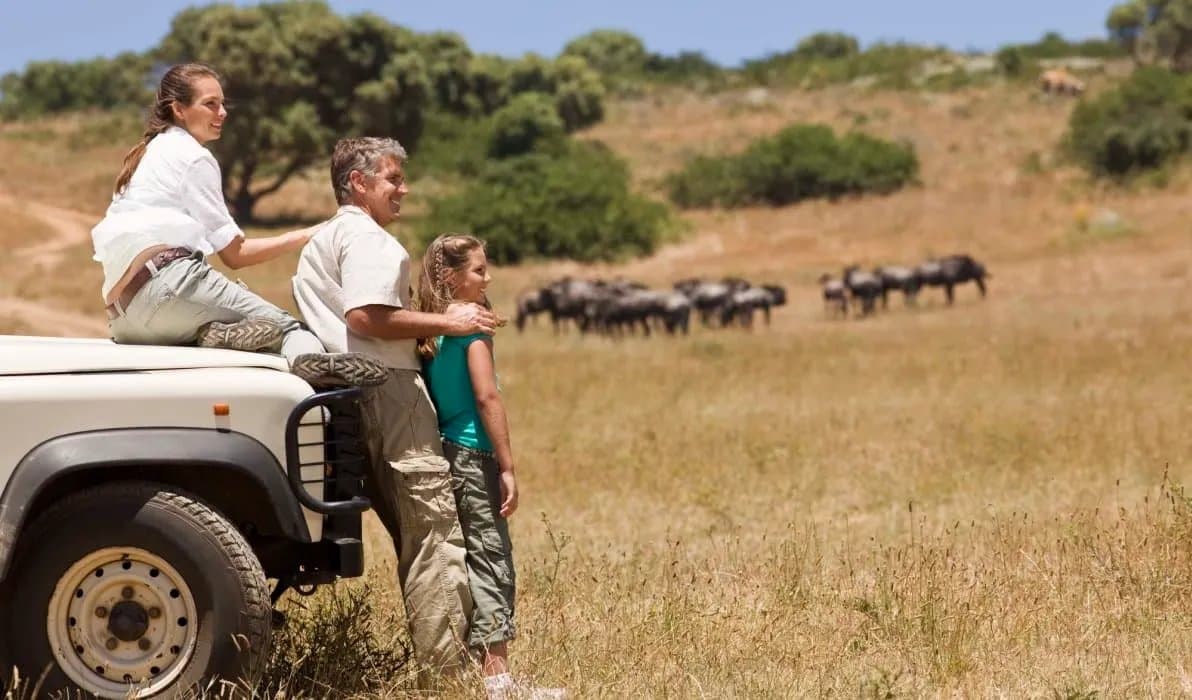
Somewhere on day two, it happens. The child who spent the flight glued to a screen is standing up through the roof hatch, wind in their hair, gripping the rail and shouting "ELEPHANT!" with a purity of joy you haven't heard since they were four. By day five they can tell a Thomson's from a Grant's gazelle at a hundred meters and have strong opinions about hyenas. Something rewired. It doesn't unwire.
A safari is arguably the single best family trip there is — outdoor, screen-free, awe-heavy, and genuinely thrilling for every generation at once. It is also a trip where the details matter more than anywhere else: drive lengths, lodge choices, minimum ages and meal flexibility decide whether you get wonder or meltdowns. This guide covers how a family safari is actually built, what it costs, and the honest logistics of Africa with children.
What Exactly Is a Family Safari?
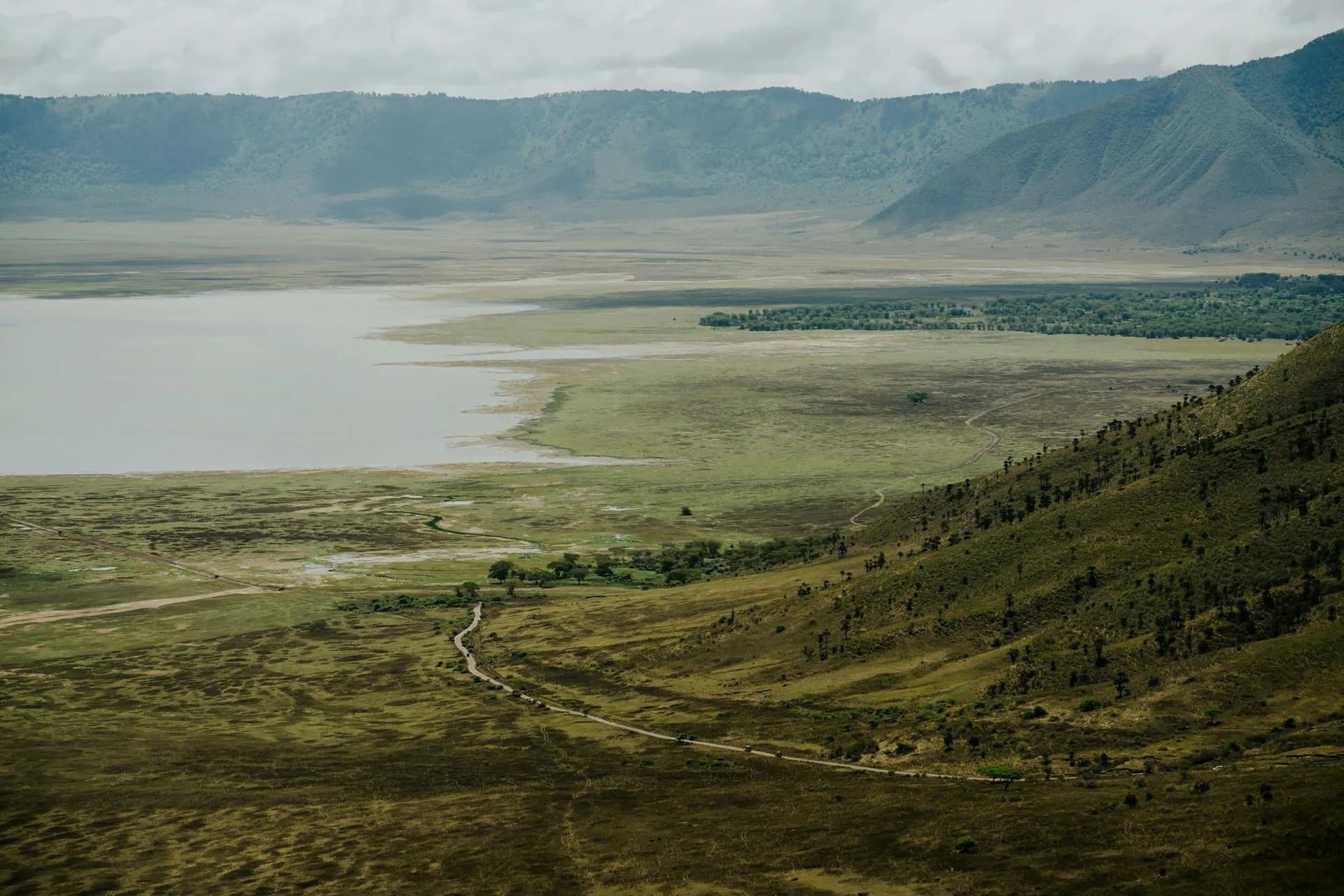
The same Northern Tanzania circuit — Tarangire, Ngorongoro, the Serengeti — re-engineered around children. Drives are shorter and punchier, with the itinerary structured so no single travel day outlasts a child's patience. Lodges are chosen for pools, family rooms or connecting tents, flexible kids' meals and staff who actually like children. And the vehicle is private, which on a family trip is less a luxury than a survival tool: snack stops, bathroom breaks and nap-time silence answer to no one else's schedule.
The best family safaris add a layer of participation: junior-ranger-style activities, tracking lessons with the guide, spoor plaster casts, Swahili word games, and — where ages allow — short guided walks and Maasai village visits that turn the trip from something children watch into something they do.
Why This Is Worth Doing While They're Young
Awe lands hardest before cynicism arrives. A ten-year-old meeting a wild elephant is having one of the formative experiences of their life, and the research on nature exposure and children only strengthens what every parent sees immediately: this trip changes them a little, permanently.
It's the rare trip with no boring role. Grandparents get comfort and golden-hour gin and tonics; teenagers get photography and genuine adrenaline; small kids get animals, pools and dirt. Multigenerational groups work better on safari than on almost any other holiday format.
The logistics are more solvable than people fear. Malaria precautions, long flights, picky eaters — all real, all manageable with honest planning. Thousands of families safari in Tanzania every year; the ones who struggle are almost always on itineraries built for adults and endured by children.
When to Go
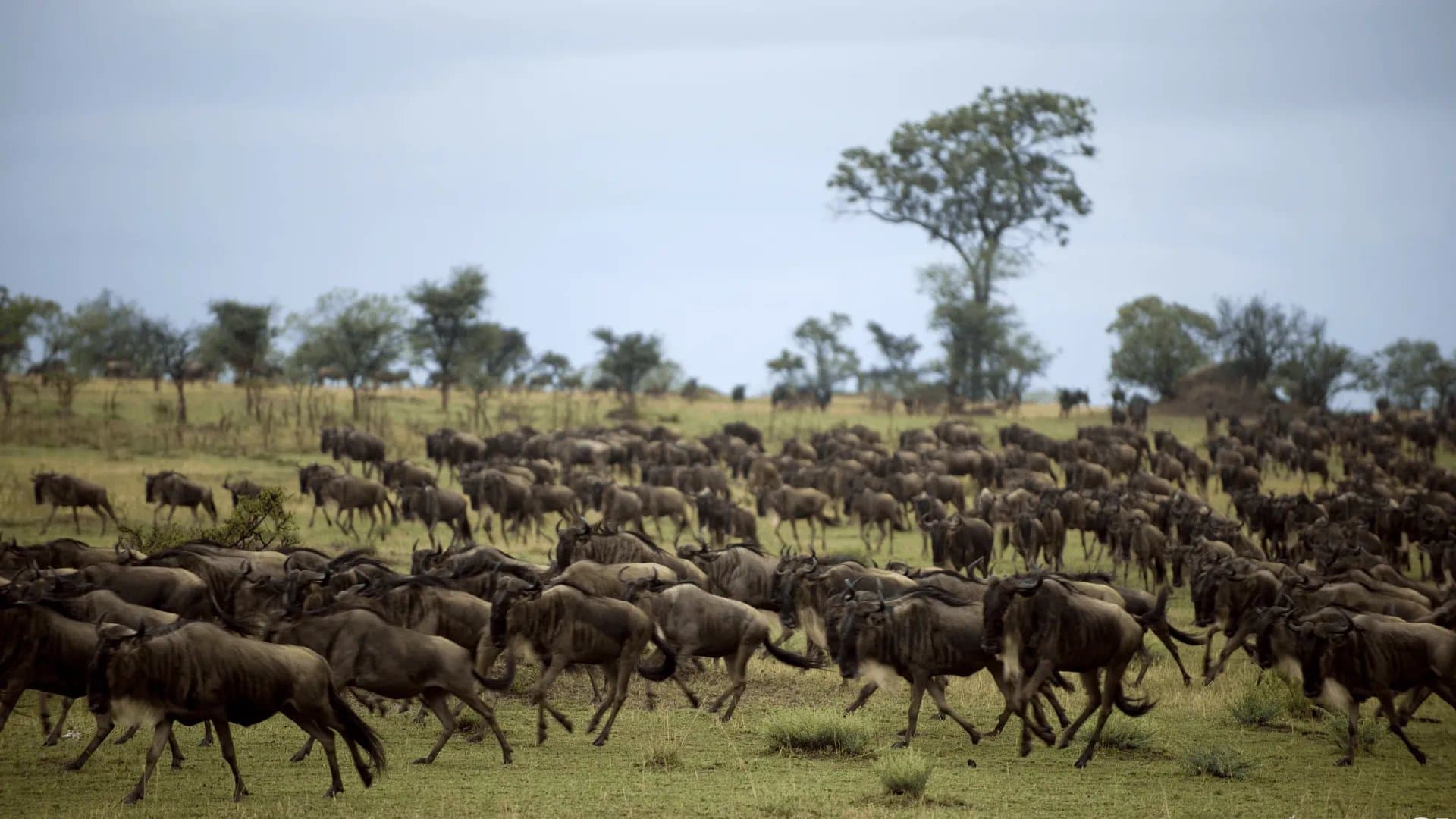
For most families the calendar decides: July and August sit inside both the long school break and the dry season's superb game viewing — the obvious window, with the honest tradeoffs of peak pricing and peak demand for family rooms (book far ahead). Christmas and February half-term align with the green season and calving in the south: warm, dramatic and full of baby animals, which children respond to more than any river crossing.
Easter holidays are the compromise window — they brush the long rains, when rates drop but afternoon downpours and closed camps are possibilities. Doable with flexible expectations; not our first recommendation for a once-in-a-childhood trip.
What a Typical Day Actually Looks Like
6:30 AM
A gentler start
Later than the adult-safari dawn patrol — breakfast first, then out while the morning is still cool and busy.
7:30 – 11:00 AM
Morning drive, kid-tuned
Shorter loops, roof hatches open, the guide running a spotting scoreboard. Snacks deployed strategically.
Midday
Pool, lunch, downtime
The non-negotiable middle: swimming, naps, a quiet hour. Rested kids are the secret to afternoon success.
4:00 – 6:00 PM
Second act
A shorter afternoon drive, a lodge-based junior ranger activity, or a village visit — matched to the day’s energy.
Evening
Early dinner, big sky
Kids’ dinner at kid o’clock, marshmallows if the camp does fires, and the kind of stars that end arguments about bedtime.
What It Costs, and What Drives the Price
Family itineraries start from around $2,600 per person, with our flagship 10-day Luxury Family Safari from $5,500 per person — and family pricing has real structure to it: most lodges offer child rates (commonly for under-12s sharing with parents), and family tents or connecting rooms are priced as units rather than per head.
- ›Ages and rooming — children sharing with parents cost meaningfully less than teenagers needing their own room; we model the actual configuration, not a per-person fiction.
- ›Pacing costs a little, saves a lot — shorter driving days can mean an extra overnight stop; it is the best money on the whole trip.
- ›School-holiday season — July–August and Christmas are peak-priced everywhere; February half-term is the value-for-conditions sweet spot.
- ›Private vehicle — standard on our family trips and included in pricing; on a family safari it is not the place to economize.
What's included
- Private family vehicle & guide
- Family rooms/connecting tents as available
- All park fees & meals on safari
- Kid-focused activities where offered
Not included
- International flights & visa
- Tips & gratuities
- Travel insurance
- Childcare/babysitting at lodges (bookable locally)
What to Pack (for Small People)
The adult list — neutrals, hats, sunscreen — plus the family layer: seriously good snacks (drives run long past snack o'clock), each child's own binoculars (sharing binoculars is a myth), motion-sickness tablets for crater roads, a wildlife checklist or spotting journal, and whatever screen-free entertainment survives your children's judgment for the transfer days. Most family lodges do same-day laundry, so pack half of what panic suggests.
Photo gallery
What our guests say
“A dream safari with EWA Safari Outfitters — and the perfect choice for families! Everything was so well organised, from the airport pick-up to the game drives. Our guide was incredibly knowledgeable and patient with the kids. I would highly recommend EWA Safari Outfitters to anyone looking for an unforgettable African safari experience.”
Yangmeng — Family Safari Tanzania
“Unforgettable! We completed a 5-day tour that was genuinely life-changing. The accommodations, transportation, and game drives were all top-notch. Our guide was extraordinary — deeply passionate about wildlife and conservation, and his knowledge made every drive educational and thrilling. EWA Safari Outfitters truly delivered beyond our expectations.”
Renard — 5-Day Tanzania Safari
Frequently asked questions
What is the minimum age for a safari?
Game drives in a private vehicle have no legal minimum, and we happily plan trips with children from around age 4–5, when the wow-to-patience ratio starts working. Some lodges set their own minimums (often 6+, sometimes waived for exclusive bookings), and activity minimums apply — walking safaris around 16, balloon flights typically 7+. We map all of this to your actual children before recommending anything.
Is a safari safe for children?
Run properly, yes. Vehicles are safe by design, lodges in wildlife areas escort guests after dark as standard, and guides are experienced with families. The practical health items — malaria prophylaxis, vaccinations, sun and hydration — are the same ones adults manage, applied smaller. Your doctor has the final word on medication ages.
Will my kids actually enjoy it, or just the pool?
Both, and that is the design. No child sustains eight-hour game drives — but short drives with a guide who turns spotting into sport, plus pool time, plus fire-side marshmallows, produces the trip children rank above theme parks. Our guides’ ability to keep kids engaged is the single most praised line in our family reviews.
How long should a family safari be?
Six to eight days on the ground hits the balance: enough for Tarangire, the crater and the Serengeti at child pace, short enough to land inside a school holiday with travel days. Ten days works beautifully for families adding Zanzibar — kids consider the beach half a co-headline, not a bonus.
Can grandparents come?
Multigenerational safaris are one of the fastest-growing trips we build, and the format suits them: everyone shares the vehicle and the sightings, while energy levels diverge guilt-free at midday. Lodges with pools, easy paths and family suites make three-generation groups genuinely comfortable.
Safari or Zanzibar first with kids?
Safari first. Children handle early mornings better at the start of a trip, and the beach works as the decompression chamber — for them and for you. Four safari days plus four beach days is the classic family split.
What is the best age to take kids on safari?
The sweet spot opens around 6–8, when patience and wonder balance and most lodge minimums fall away; 10–14 is arguably perfect. We plan happily from age 4–5 with a private vehicle — pacing, not age, is what makes or breaks a family safari.