The complete guide
The morning starts before the heat, following two Hadzabe men through the acacia scrub near Lake Eyasi. They move the way water moves — no wasted motion — reading the ground aloud in a language built partly of clicks. One stops, points at nothing you can see, and ten minutes later there is honey, smoked from a hollow trunk with a coal carried in a leaf. Nobody performs anything. You are simply, briefly, inside a morning that has worked this way for ten thousand years.
Tanzania's wildlife gets the posters, but its human story is just as extraordinary: over 120 ethnic groups, including some of the last hunter-gatherer communities on Earth. Done badly, cultural tourism is a human zoo. Done properly — community-led, fairly paid, unscripted — it is the part of the safari many travelers end up calling the most affecting. This guide explains the difference, what you'll actually experience, and how it fits into a wildlife itinerary.
What Exactly Is a Cultural Experience?
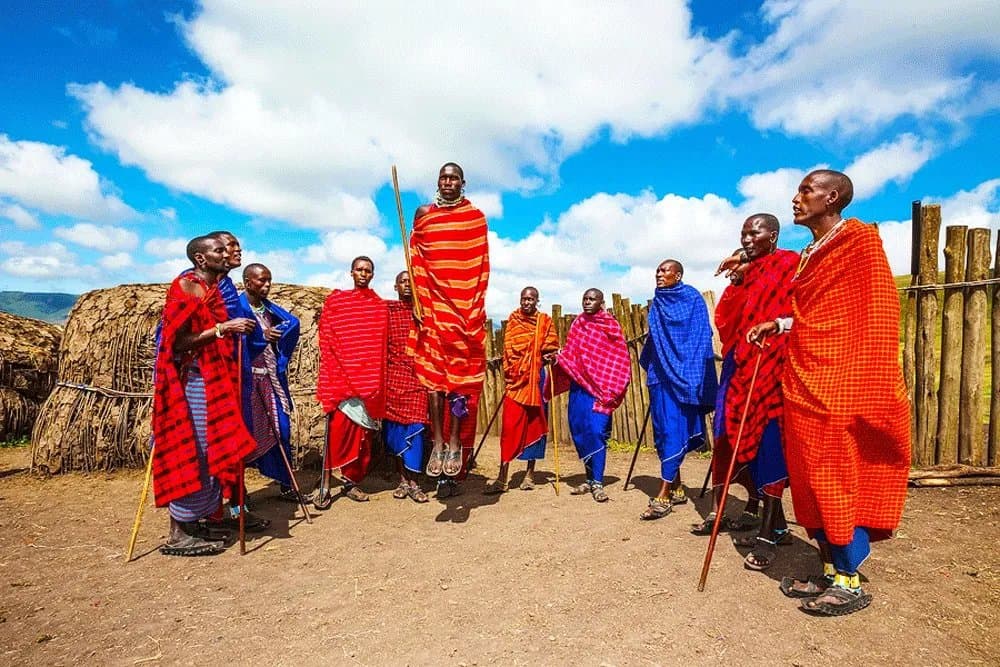
Our core cultural itinerary weaves three encounters into a classic Northern Circuit safari. Around Lake Eyasi, you spend a morning with the Hadzabe, one of the world's last true hunter-gatherer peoples — joining (at whatever distance you prefer) an actual morning forage or hunt, not a re-enactment. Nearby, the Datoga — pastoralists and celebrated metalworkers — open their compounds and forges, where brass and iron are worked with bellows and skill that predates every machine you own. And around the parks, Maasai villages offer the most accessible encounter: homesteads, cattle culture, and an economy increasingly interwoven with conservation.
The format matters more than the itinerary: visits are arranged with the communities rather than staged for arrival, translators are local, photography follows consent, and payment flows to the people hosting you. You are a guest at something real, which also means it owes you nothing — some mornings the honey is found in twenty minutes, some mornings the bees win.
Why This Is Worth a Day of Your Safari
It reframes everything else you're seeing. The Hadzabe read the same landscape you've been photographing — but as a pantry, a pharmacy and a map. After that morning, the bush on your remaining game drives looks different: inhabited, legible, older.
These are living cultures at a hinge point. The Hadzabe number roughly a thousand people, of whom only a minority still live primarily by foraging. Respectful visits — where the community sets the terms and keeps the income — are one of the few economic arguments that value their way of life continuing as theirs, not as a museum piece.
It's the part children never forget. Kids who politely enjoyed the lions come home talking about drawing a Hadzabe bow, or the Datoga bracelet they watched being born from scrap metal. Person-to-person beats spectacle at every age, but especially theirs.
When to Go
Cultural visits run year-round — daily life does not have a low season — so timing follows the safari wrapped around it: June to October for dry comfort and easy roads to Eyasi, November to February for green landscapes and fewer vehicles. The long rains complicate the road logistics more than the visits themselves.
One honest note on seasonality of a different kind: the Hadzabe morning happens at Hadzabe pace. Hunts are real, which means they are sometimes long, sometimes short, occasionally unsuccessful, and always on foot in growing heat. The dry months make that walk kinder.
What a Typical Itinerary Actually Looks Like
Day 1
Tarangire
Into the baobab country for elephants in their hundreds — the wildlife overture.
Day 2 · dawn
Morning with the Hadzabe
Join a real forage near Lake Eyasi: bows, roots, honey, and a masterclass in reading country.
Day 2 · midday
The Datoga forge
Bellows, brass and arrowheads — the blacksmiths who have equipped this valley for generations.
Day 3
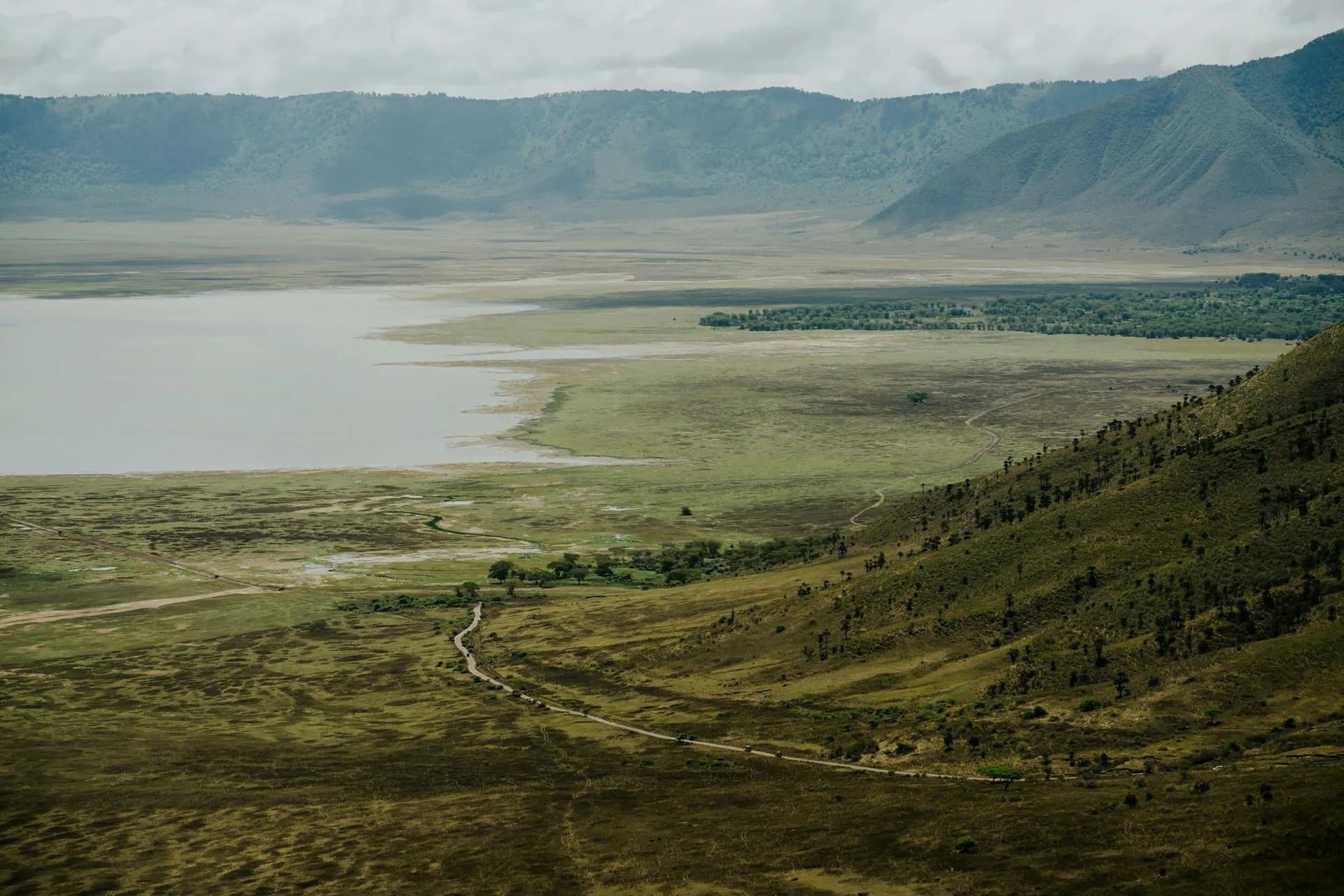
Ngorongoro Crater
Dawn descent for the Big Five morning, with Maasai cattle sharing the highland rim road.
Day 4
Maasai village & return
A homestead visit on the road home — cattle economics, beadwork, and questions in both directions.
What It Costs, and What Drives the Price
Our 4-day Tarangire, Ngorongoro & Lake Eyasi safari — the flagship cultural itinerary — starts from $1,250 per person, making it one of the most accessible multi-day trips we run. As add-ons to any safari: a Maasai village visit runs about $25 per person and an Olduvai Gorge stop about $30 per person.
- ›Community fees are the point — a meaningful share of the cultural-visit cost is paid directly to the host communities; it is the mechanism that keeps visits welcome and worthwhile.
- ›Group size — these encounters do not scale; small private groups pay slightly more per person and get mornings that feel like visits rather than tours.
- ›How deep you go — a single village stop costs little; the full Eyasi immersion (Hadzabe + Datoga, guided by a local translator) anchors a dedicated day and is priced accordingly.
- ›The safari around it — the wildlife itinerary wrapped around the cultural days follows normal safari pricing: parks, lodges, season.
What's included
- Community & cultural visit fees
- Local guides & translators
- All park fees, guide & 4x4
- Meals & accommodation as specified
Not included
- International flights & visa
- Tips & gratuities
- Craft purchases (bring small cash)
- Travel insurance
How to Visit Well — Etiquette That Matters
A few practices separate guests from spectators: ask before photographing people, always (your guide will broker this — and buying a craft or tipping after a portrait session is fair exchange, not awkwardness); dress modestly; participate when invited rather than observing from behind glass; and buy the beadwork and blades directly from the hands that made them — it is the single most direct economic act of your whole trip. Bring small-denomination cash; forges and homesteads do not take cards.
Photo gallery
What our guests say
“Phenomenal! Upon our arrival Mike called us up as soon as we landed. The trip he put together for us was more than we could have expected. From our very first game drive we were blown away by the wildlife we encountered. Mike showed incredible passion, professionalism, and people skills. We would go back in a heartbeat.”
Lauren — Tanzania Safari
“It was my first time visiting Tanzania and experiencing the magical wilderness — I was so excited. A friend recommended EWA Safari Outfitters and I cannot thank him enough. They were amazingly quick to answer my inquiry and helped us get the best accommodations. When we touched down in Arusha, they welcomed us like royals — a bottle of champagne and exotic Tanzanian fruits. We were all so pleasantly surprised!”
Ruaika — Wildlife Safari Tanzania
Frequently asked questions
Is this staged for tourists, or real?
The distinction is exactly why format matters. The Hadzabe morning is a real forage — you join an activity that was happening anyway, at the community’s discretion, and outcomes vary because reality does. Village visits are more structured by nature, but community-led arrangements, local translators and direct payment keep them exchanges rather than performances. If a visit ever feels like theatre, tell us; it is the thing we most actively design against.
Does our money actually reach the communities?
Yes — community fees are paid directly at the visit, craft purchases go hand-to-hand, and the local guides and translators employed are from the area. It is also why we encourage buying crafts on site rather than at gift shops later: the margin difference all lands in the maker’s hand.
Is it appropriate to bring children?
Very — and the encounters are often the children’s highlight. Hadzabe kids and visiting kids tend to dissolve the formality faster than any adult can, and the bow-and-arrow lesson is a guaranteed core memory. The forage walk suits kids from around 6+; village visits work at any age.
Will there be a hunt, and do we have to watch?
The Hadzabe hunt for their own subsistence, as they always have — small game and honey most mornings. Whether a hunt happens, and succeeds, is up to the morning. You choose your own distance and involvement entirely; walking along and observing the tracking alone is a full experience.
Can we just add a short cultural stop to a wildlife safari?
Easily — a Maasai village visit (~$25 pp) or Olduvai Gorge stop (~$30 pp) slots into any Northern Circuit day. For the Hadzabe and Datoga, Lake Eyasi needs a dedicated overnight, which is what the 4-day itinerary is built around.
What language will this all happen in?
Your safari guide translates Swahili; at Eyasi, a local guide bridges Hadzane — the Hadzabe’s click language — and Datoga. Conversation flows surprisingly well through the chain, and children everywhere communicate fluently in the universal language of showing off.
How much does a Maasai village visit cost?
As an add-on to any safari, about $25 per person, paid to the community; an Olduvai Gorge stop runs about $30. The full Lake Eyasi immersion with the Hadzabe and Datoga anchors our 4-day cultural safari from $1,250 per person.