The complete guide
There's a particular pleasure in the sequence of it. One morning you're wrapped in a fleece watching lions wake up on the Serengeti's cold golden plains; forty-eight hours later you're barefoot on sand so white it squeaks, deciding whether the afternoon calls for snorkeling or a nap under a palm. Your biggest logistical concern is reapplying sunscreen.
The safari-and-Zanzibar combination is the most requested trip we build, and it has earned that status honestly: it pairs the intensity of the bush with genuine recovery time, in two places that happen to sit a short flight apart. This guide covers how the combination actually works, how to split your days, when to go, and what it costs.
What Exactly Is a Safari & Zanzibar Combo?
The format is simple: a Northern Tanzania safari — typically four to six days across Tarangire, the Serengeti and Ngorongoro Crater — followed by three to four nights on Zanzibar, connected by a short internal flight from Arusha. You land on the island about ninety minutes after leaving safari country. No long transfers, no wasted day.
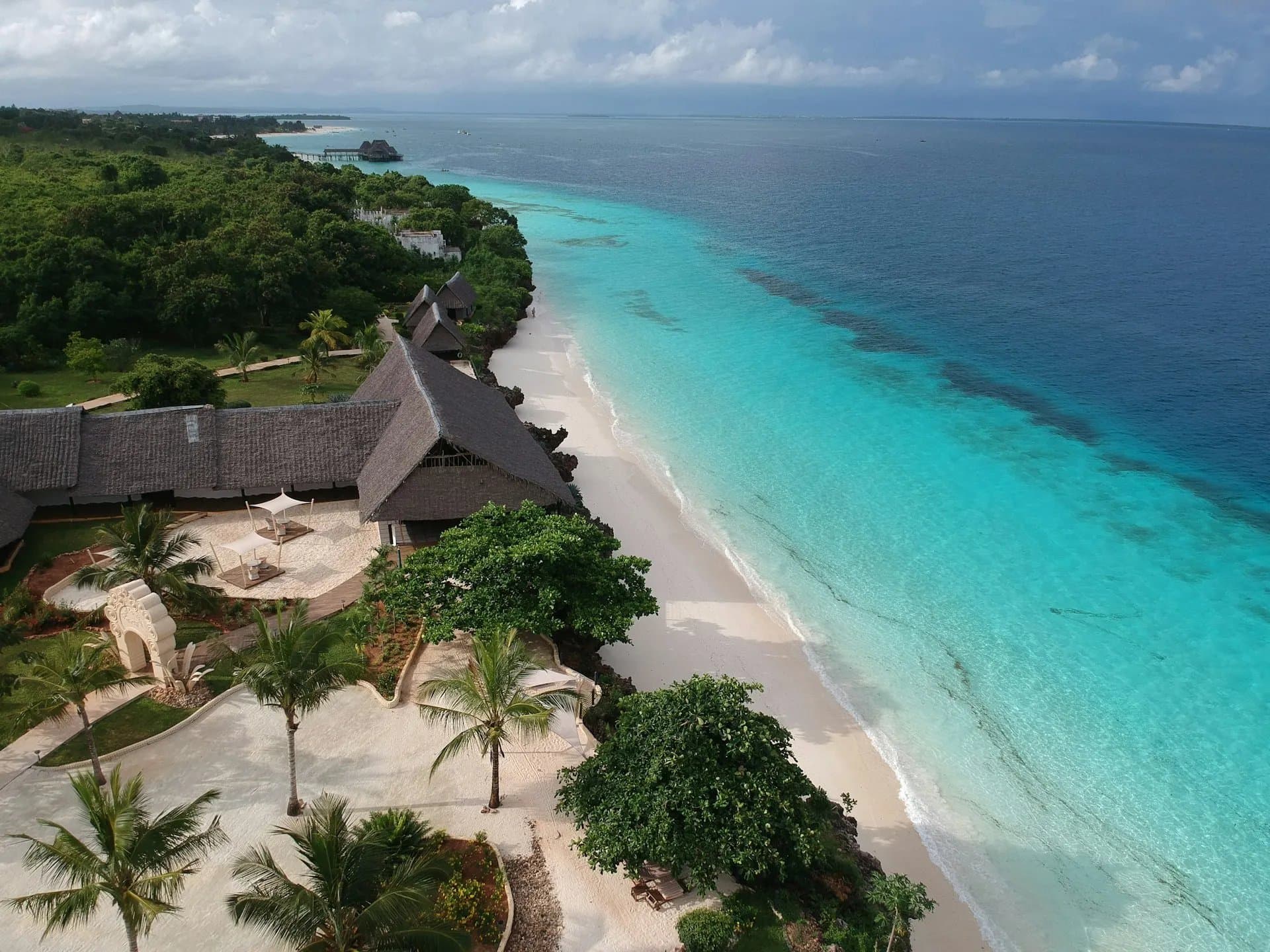
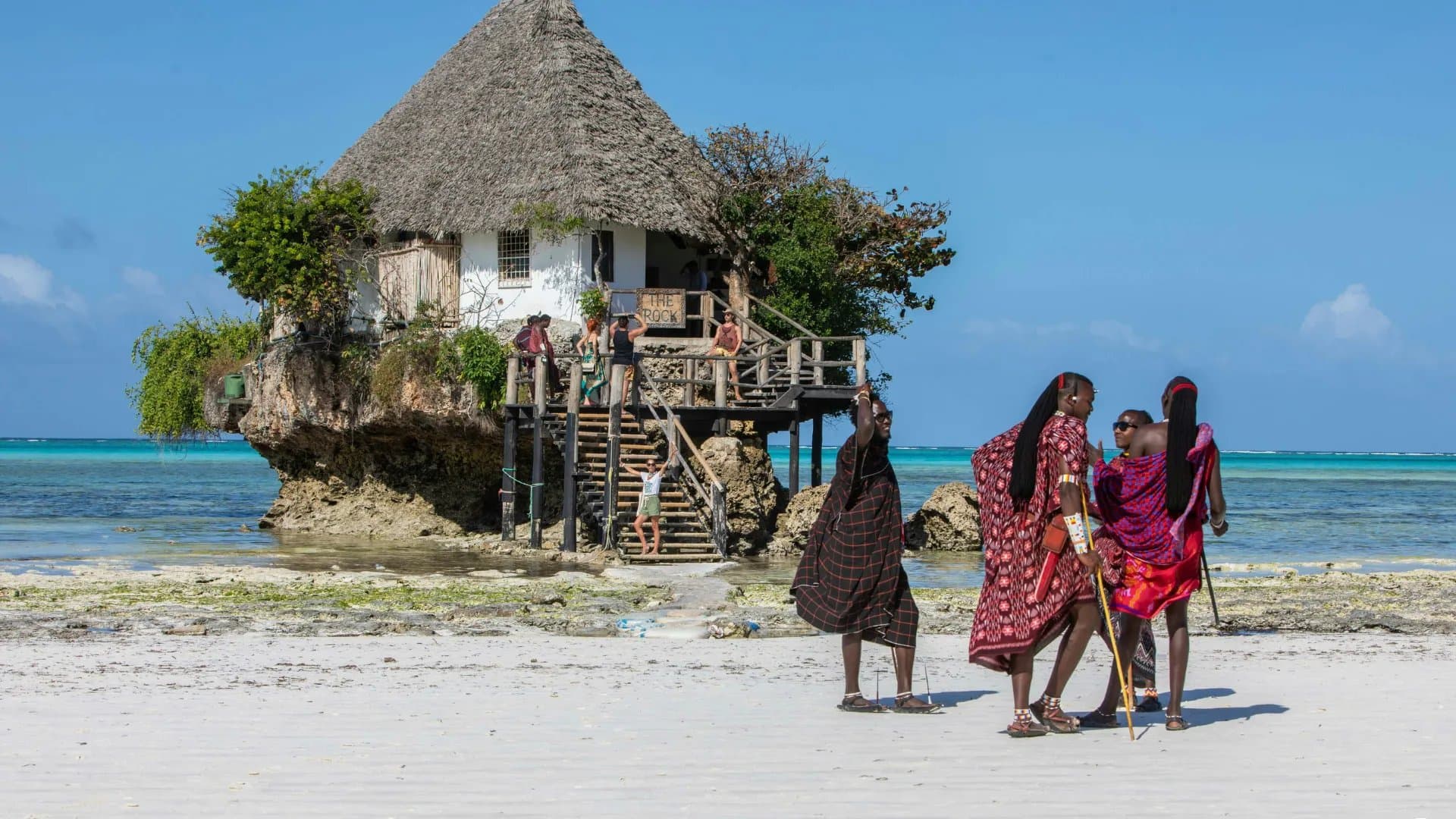
Zanzibar itself splits into two experiences. Stone Town, the UNESCO-listed old quarter, is a labyrinth of carved doors, spice markets and Swahili, Arab, Indian and European history layered street by street — worth at least a half-day. The beaches are the second act: Nungwi and Kendwa in the north for swimmable water at all tides and lively sunsets, Paje and the east coast for barefoot quiet and kitesurfing, Mnemba Atoll offshore for the archipelago's best snorkeling and diving.
Why This Is the Best Way to End a Safari
Safari is wonderful — and genuinely tiring. Pre-dawn starts, long drives, sensory overload day after day. Travelers who fly home straight from the bush often say they needed a holiday after the holiday. The island fixes that: you process the safari on a beach instead of on a plane.
The contrast multiplies both halves. The bush feels wilder because you know the beach is coming; the ocean feels sweeter because you earned it in a 4x4 at six in the morning. Honeymooners have effectively made this format the default East Africa honeymoon for exactly this reason — it is the backbone of our dedicated honeymoon safari packages.
It's logistically elegant. Both halves are in one country, one visa, one connecting flight. Compared with pairing a safari with the Seychelles or Mauritius, Zanzibar costs less, takes hours less travel, and keeps the whole trip inside Tanzania's tourism ecosystem.
When to Go
The happy coincidence of this combination: the best safari months and the best beach months largely overlap. June to October brings dry-season game viewing and warm, low-humidity island days. December to February is hotter and adds the migration's calving season inland — superb, though the island gets properly tropical by February.
March to May is the long rains on both the mainland and the coast — some beach resorts and safari camps close entirely, and while rates are at their lowest, afternoon downpours are a genuine feature. The short rains of November are milder: usually brief showers, quieter beaches, shoulder-season prices. An honest note on the dry season: July and August are peak demand on Zanzibar's north coast — book early or accept the east coast (which is no hardship).
What a Typical Itinerary Actually Looks Like
Days 1–2
Tarangire & Manyara
Elephant herds among the baobabs, and the first of many picnic lunches with a view.
Days 3–4
Serengeti
Two full days in the heart of the ecosystem — predators, plains and, in season, the migration.
Day 5
Ngorongoro Crater
Dawn descent into the crater for the best Big Five odds in Africa, then back to Arusha.
Day 6
Fly to Zanzibar
A short morning flight, and by lunch you are checked in with sand underfoot. Optional Stone Town stop en route to the coast.
Days 7–9
Island time
Beach, spice farm tour, Mnemba snorkeling, sunset dhow cruise — or absolutely nothing at all.
What It Costs, and What Drives the Price
Combined itineraries start from around $3,600 per person for a week-long version, with our 10-day safari-and-beach package from $4,650 per person and longer southern-circuit-plus-island routes from $6,100 per person. The variables:
- ›The split — safari days cost meaningfully more than beach days (park fees, guiding, 4x4 logistics), so shifting a day from bush to beach lowers the total, and vice versa.
- ›Beach resort tier — Zanzibar runs from charming boutique guesthouses to world-class five-star resorts; the same safari can end at wildly different price points.
- ›Season — July–August and Christmas–New Year command premium rates on both halves of the trip.
- ›The connecting flight — included in our itineraries; luggage on the inter-airport hop is limited, one of several small details we handle in advance.
What's included
- All park fees & safari guiding
- Arusha–Zanzibar flight
- All accommodation, bush & beach
- All meals on safari, breakfast + as booked on Zanzibar
Not included
- International flights & visa
- Lunches/dinners on Zanzibar where not booked
- Tips & gratuities
- Marine park fees & optional water sports
What to Pack
You are packing for two climates and one modest luggage allowance on the internal flight — soft-sided bags, ideally under 15 kg. The safari half wants neutral layers and a warm fleece for dawn; the island wants very little at all. One cultural note worth knowing: Zanzibar is a predominantly Muslim island, and covering shoulders and knees away from the beach — especially in Stone Town — is a matter of simple respect.
Photo gallery
What our guests say
“Notre lune de miel parfaite — safari au Serengeti puis Zanzibar. The team arranged everything flawlessly and our French-speaking guide was exceptional. We saw all the Big Five in three days. Magnifique!”
Marie & François Dupont — Safari & Zanzibar Honeymoon
“Phenomenal! Upon our arrival Mike called us up as soon as we landed. The trip he put together for us was more than we could have expected. From our very first game drive we were blown away by the wildlife we encountered. Mike showed incredible passion, professionalism, and people skills. We would go back in a heartbeat.”
Lauren — Tanzania Safari
Frequently asked questions
How many days should I split between safari and beach?
The sweet spot for most travelers is five safari days to four beach days. Fewer than four on safari feels rushed across three parks; fewer than three on the island barely counts as recovery. Honeymooners often stretch the beach half; wildlife-first travelers flip it the other way.
Safari first or beach first?
Safari first, almost always. The early mornings and dusty drives are best done while you are fresh, and the beach works as the exhale. Reversing it means ending your holiday with 5 AM alarms — technically possible, rarely advisable.
Which Zanzibar coast should I choose?
North (Nungwi/Kendwa) for swimming at all tides, sunset views and more energy in the evenings. East (Paje, Jambiani, Matemwe) for quieter beaches, kitesurfing and a more barefoot pace — with dramatic tides that pull the ocean far out twice a day. There is no wrong answer, only a wrong match to your expectations.
Is Zanzibar good for honeymooners?
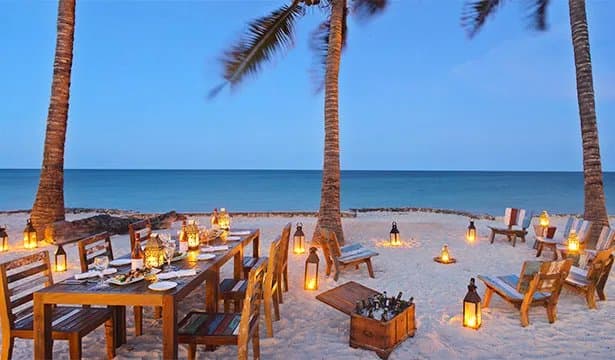
It is arguably the definitive East Africa honeymoon finish — private dinners on the sand, dhow cruises at sunset, and resorts that take romance seriously. Tell us it is a honeymoon when booking; lodges and hotels routinely add genuine touches for couples.
Can I dive or snorkel there?
Yes — the reefs around Mnemba Atoll off the northeast coast are the highlight, with excellent visibility, turtles and dense reef fish. Snorkeling trips run daily from the north and east coasts, and dive centers cater from first-timers to advanced divers.
Can I add a short safari from Zanzibar itself?
You can — a two-day fly-in safari to Nyerere National Park runs from Zanzibar from $880 per person, which suits travelers basing themselves on the island but wanting a taste of the bush.
What does a safari and Zanzibar package cost?
Week-long combinations start at around $3,600 per person, our 10-day safari-and-beach package from $4,650, and premium-tier versions from $6,200. The split matters: safari days cost more than beach days, so shifting the ratio moves the total.