The complete guide
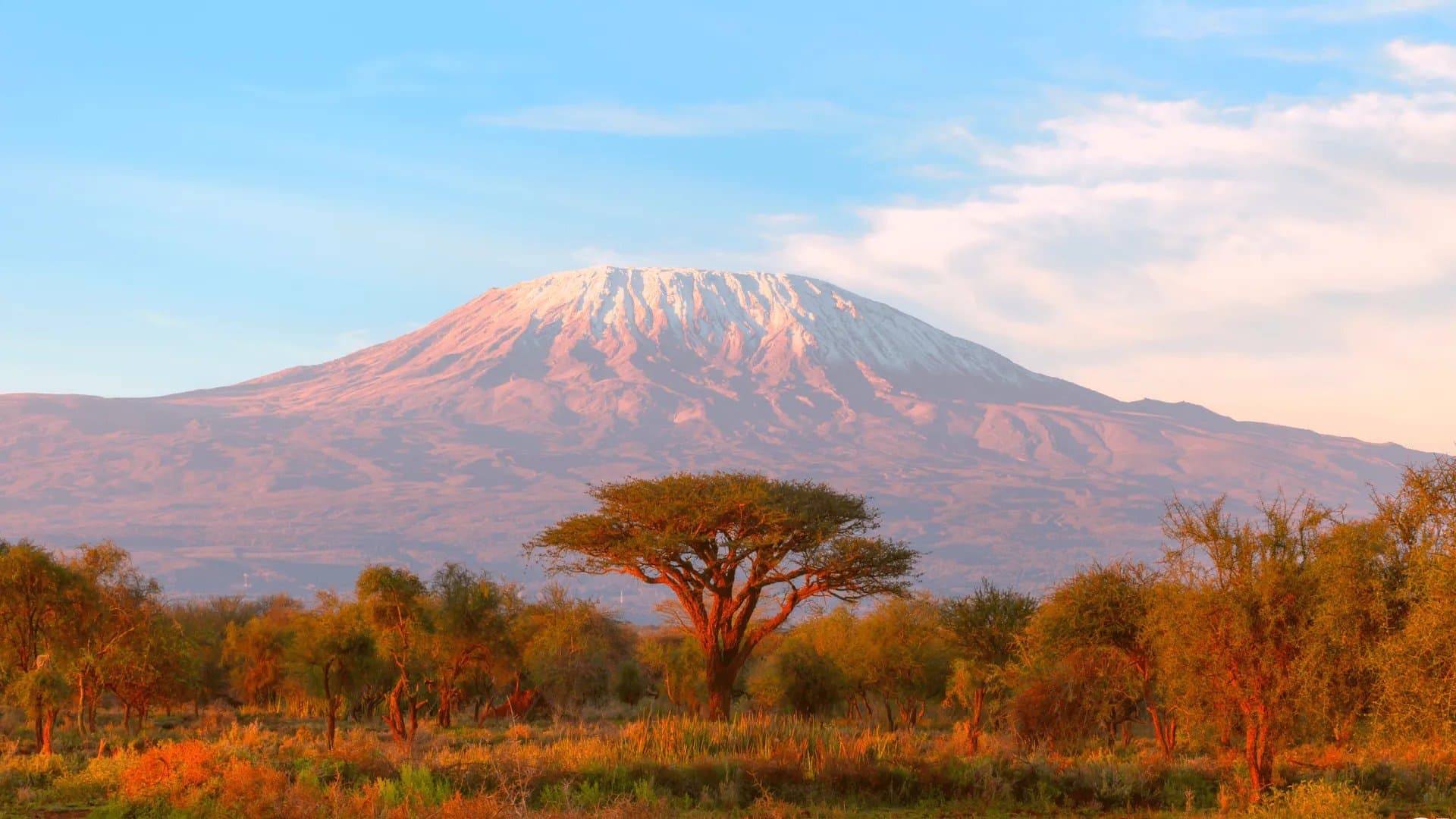
Summit night starts around midnight. You dress by headlamp, drink tea you don't want, and step out into cold, thin air with a line of lights zigzagging up the scree above you — other climbers, hours ahead, marking the path to the crater rim. For the next six or seven hours you walk slower than you have ever walked in your life. And then the horizon behind you catches fire, the sun comes up over Mawenzi, and you are standing on the roof of Africa.
Kilimanjaro is a genuinely strange and wonderful thing: a 5,895-meter glaciated summit sitting almost on the equator, climbable by any determined, healthy person — no ropes, no crampons, no technical skills. That accessibility is also its trap. Roughly half of unprepared climbers on short itineraries don't reach the top, almost always because of altitude, not fitness. The difference between summiting and turning around is mostly decided before you ever set foot on the mountain: route choice, days of acclimatization, and the crew behind you.
What Exactly Is Climbing Kilimanjaro?
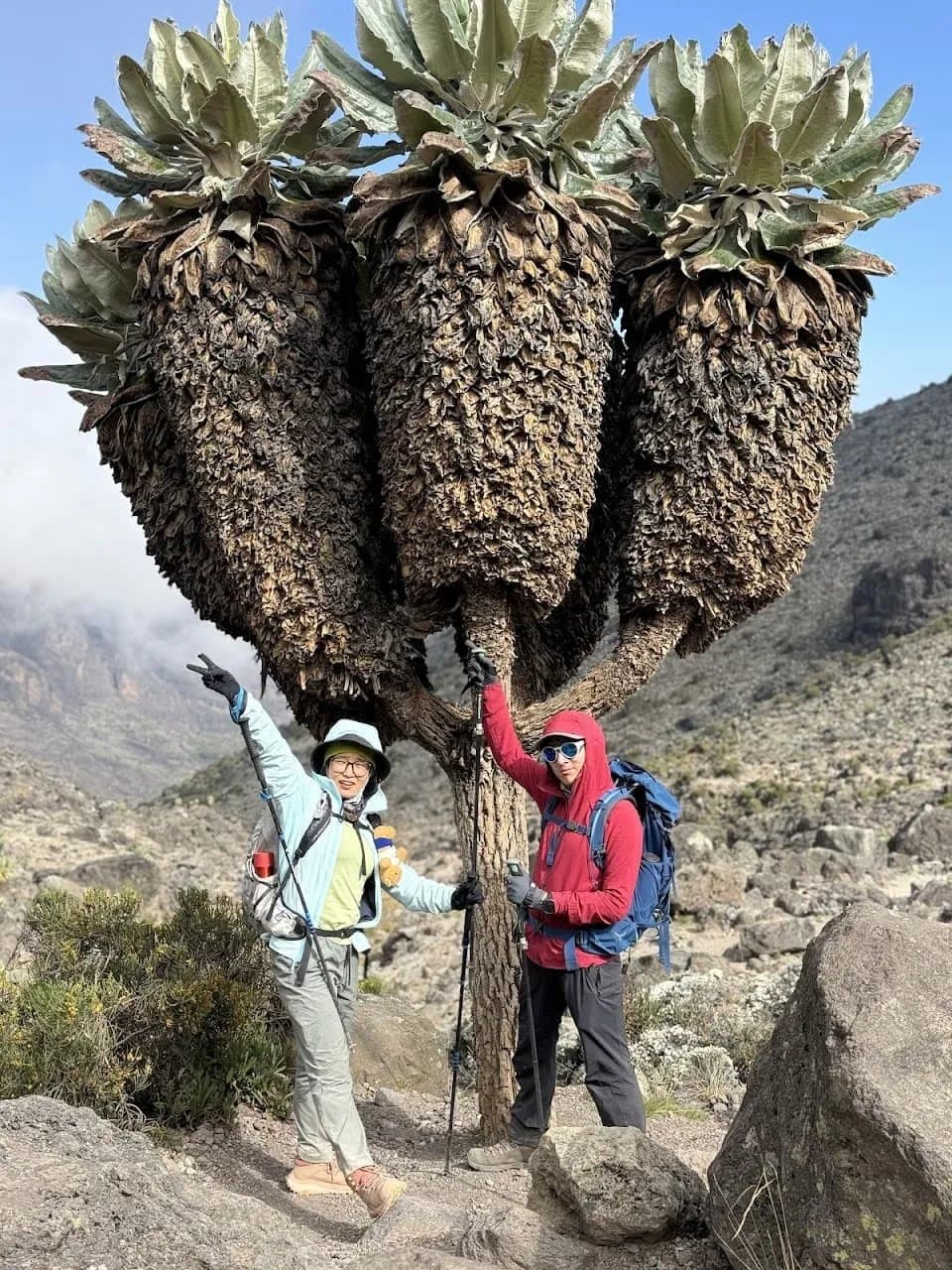
A Kilimanjaro climb is a fully supported, multi-day trek: you walk with licensed guides while a crew of porters and a cook move camp ahead of you each day. Over six to nine days you pass through five distinct climate zones — rainforest, heather moorland, alpine desert, and finally the arctic summit zone — before a pre-dawn push to Uhuru Peak, the highest point on the crater rim.
Every climb follows one of the established routes, and route choice matters more than any other decision. Longer routes cost more but give your body more time to adapt to altitude — which is why their summit success rates are dramatically higher.
Why Route Choice Is the Whole Game
Here's how the routes we run actually compare — real prices, honest success rates:
| Route | Days | Approx. success rate | From (pp) |
|---|---|---|---|
| Lemosho | 8 | 90–95% | $2,595 |
| Northern Circuit | 9 | ~95% | $2,237 |
| Machame | 7 | 85–90% | $2,350 |
| Rongai | 7 | 80–85% | $2,250 |
| Marangu | 6 | 65–70% | $1,950 |
| Umbwe | 7 | ~70% | $1,880 |
Lemosho (8 days) is our usual recommendation for first-time climbers who can spare the time: a quiet, beautiful western approach with near-ideal acclimatization. Machame (7 days) is the popular classic — scenic and effective, but busier. Rongai approaches from the drier north and suits the rainy shoulder months. Marangu is the only route with hut accommodation, and its low price and short duration are exactly why its success rate suffers. Umbwe is steep, direct and best left to experienced trekkers. Northern Circuit (9 days) is the longest, quietest and statistically safest bet of all.
When to Go
June to October is the main climbing season — the driest trails, the most stable weather, and the most company on the popular routes. January to early March is the insider's window: nearly as dry, noticeably quieter, with a real chance of snow on the crater rim for the photographs.
April–May (long rains) means wet trails, poor visibility and slippery rainforest — we generally advise against it. November's short rains are gentler; the north-side Rongai route stays remarkably climbable then. The honest tradeoff of peak season is traffic: on Machame in August you will share camps with many other groups. If solitude matters, take Lemosho or the Northern Circuit, or climb in late January.
What a Typical Day on the Mountain Actually Looks Like
6:30 AM
Bed tea & breakfast
Hot water arrives at your tent. Porters strike camp around you as you eat.
8:00 AM
On the trail
Four to seven hours of walking at a deliberately slow pace — 'pole pole' — while the crew overtakes you with camp on their heads.
1:00 PM
Hot lunch
Either at a lunch camp or picnic-style on the trail, depending on the day.
4:00 PM
Arrive in camp
Tents up, washing water ready. Many afternoons include a short acclimatization walk — climb high, sleep low.
6:30 PM
Dinner & briefing
Three courses in the mess tent, oxygen saturation checks, and the plan for tomorrow. Summit night replaces all of this with a midnight start.
What It Costs, and What Drives the Price
Our climbs start from $1,850 per person for group departures on the shorter routes, rising to $2,595 per person for an 8-day Lemosho climb. Kilimanjaro pricing has a hard floor, and it's worth understanding why: park and camping fees alone amount to a substantial fixed cost per climber per day, before a single salary is paid.
- ›Days on the mountain — each extra day adds park fees, wages and food, and buys you acclimatization. It is the best money you can spend on this mountain.
- ›Group vs private — joining a scheduled group departure is the most economical option; a private climb with your own crew and flexible dates costs more per person.
- ›Crew welfare — fair porter wages, proper mountain food and quality tents cost real money. Operators dramatically undercutting the market are saving it somewhere you will feel.
- ›What's included — our prices cover park fees, camping, full crew, meals on the mountain and transfers; tips for the crew (budget roughly $250–300 per climber) are additional, as is gear rental.
What's included
- All park, camping & rescue fees
- Licensed guides, cook & porters
- All meals on the mountain
- Transfers to & from the gate
Not included
- International flights & visa
- Crew tips (~$250–300)
- Personal gear & rental items
- Travel insurance with high-altitude cover
What to Expect Physically
You do not need to be an athlete — you need endurance, stubbornness and respect for altitude. The daily walking is moderate; summit night is the real test: 1,200 vertical meters gained in the dark, in temperatures well below freezing, on half the oxygen you're used to at sea level. Train with long hill walks in the boots you'll climb in, arrive rested, walk slower than feels natural, and drink more water than you want. Altitude sickness does not care how fit you are — the antidote is time, which is why we keep steering you toward the longer routes.
Photo gallery
What our guests say
“Unforgettable! We completed a 5-day tour that was genuinely life-changing. The accommodations, transportation, and game drives were all top-notch. Our guide was extraordinary — deeply passionate about wildlife and conservation, and his knowledge made every drive educational and thrilling. EWA Safari Outfitters truly delivered beyond our expectations.”
Renard — 5-Day Tanzania Safari
“So helpful! The team at EWA Safari Outfitters was incredibly supportive in planning our trip and answered all our questions promptly. Our guide was knowledgeable and enthusiastic throughout. It was a wonderful experience in Tanzania that I will cherish for years to come.”
Christina — Tanzania Safari
Frequently asked questions
Which route has the best chance of reaching the summit?
The longer ones. The 8-day Lemosho (90–95%) and 9-day Northern Circuit (~95%) lead our success rates because they build in the most acclimatization. The 6-day Marangu, despite being the cheapest and most famous, sits at 65–70% for exactly the same reason in reverse.
Do I need technical climbing experience?
None. Kilimanjaro is a trek, not a technical climb — there are no ropes, harnesses or crampons on the standard routes. If you can walk uphill for six hours a day, several days in a row, the only remaining variable is how your body handles altitude.
What is summit night actually like?
The hardest night of most people's lives, and the one they talk about forever. You start around midnight, climb slowly through scree and cold for six to seven hours, and reach the crater rim around sunrise. It is cold (often -10 to -20°C), airless and mentally demanding — and then the sun rises over the glaciers and every step makes sense.
How cold does it get?
Summit night regularly hits -10 to -20°C with wind chill, while the rainforest zone on day one is warm and humid. You will use every layer you bring. A proper four-season sleeping bag and an insulated summit jacket are non-negotiable; both can be rented locally if you prefer not to buy.
Can I combine Kilimanjaro with a safari?
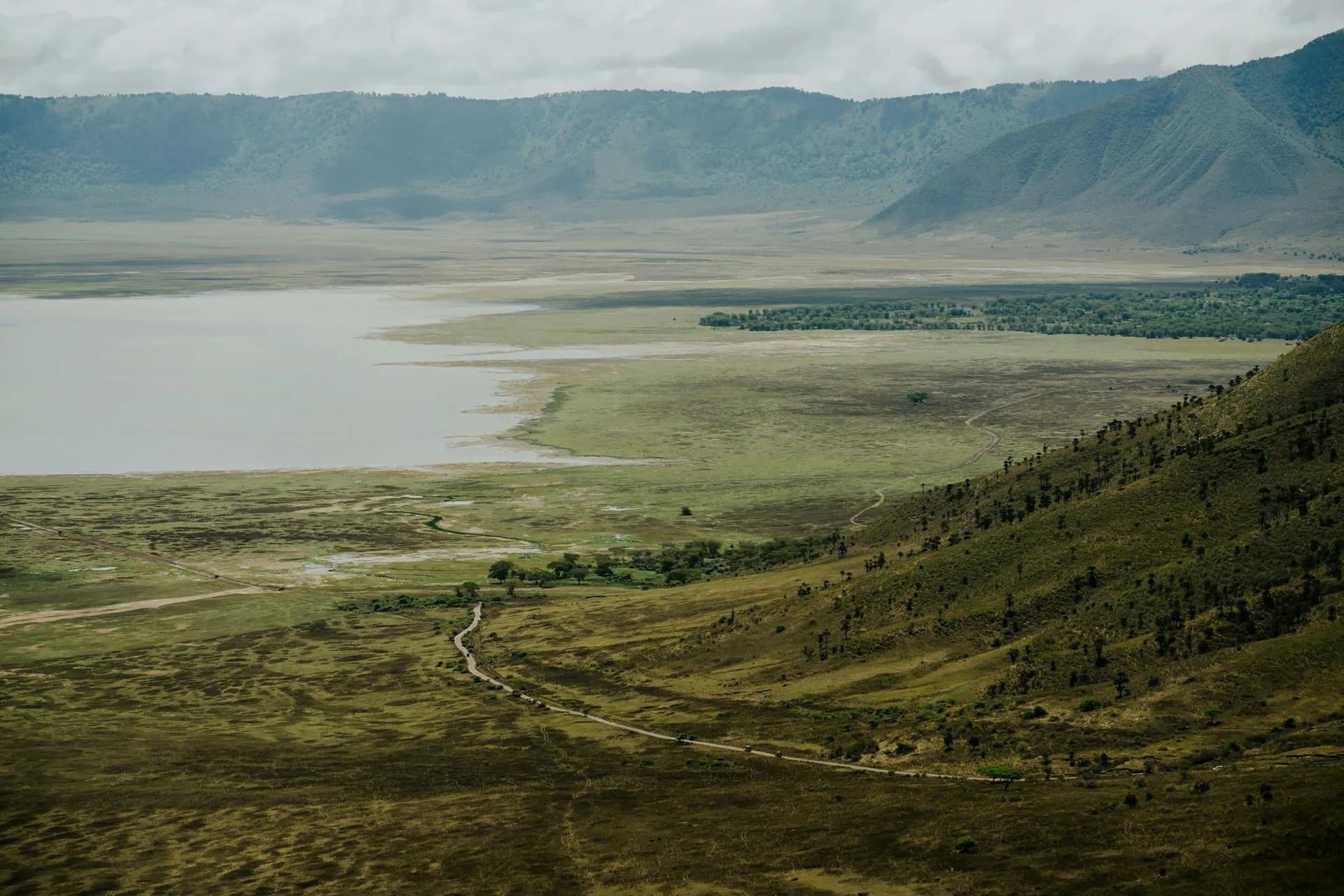
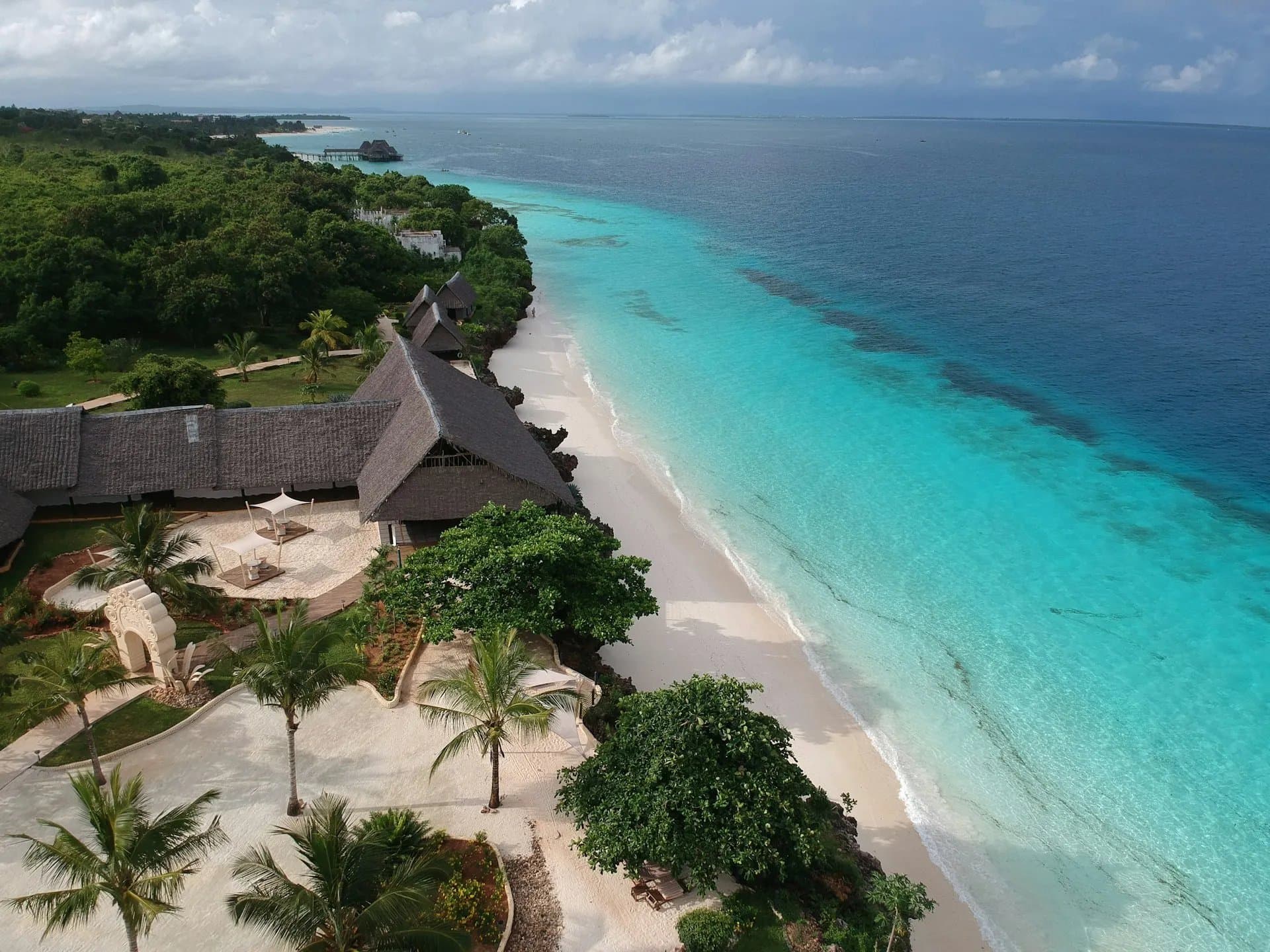
It is one of our most popular combinations — most climbers add a 4–7 day Northern Parks safari after the mountain (your legs will thank you for the vehicle), and some finish on Zanzibar. Climb, safari, beach: the full Tanzania arc in two weeks.
How much should I tip the crew?
Tipping is a genuine part of crew income on Kilimanjaro. As a guide, budget roughly $250–300 per climber for the full crew across a standard climb, adjusted for group size and days. We provide a clear breakdown before you travel so there are no awkward calculations at the gate.
How long does it take to climb Kilimanjaro?
Six to nine days on the mountain, depending on the route. Longer is statistically better: the 8-day Lemosho and 9-day Northern Circuit succeed for 90–95% of climbers, while rushed 6-day itineraries fail roughly a third of theirs — almost always to altitude, not fitness.
Can a beginner climb Kilimanjaro?
Yes — Kilimanjaro is a trek, not a technical climb, and determined first-timers summit every day. The keys are choosing a longer route for acclimatization, training with long hill walks beforehand, and walking deliberately slowly on the mountain.