The complete guide
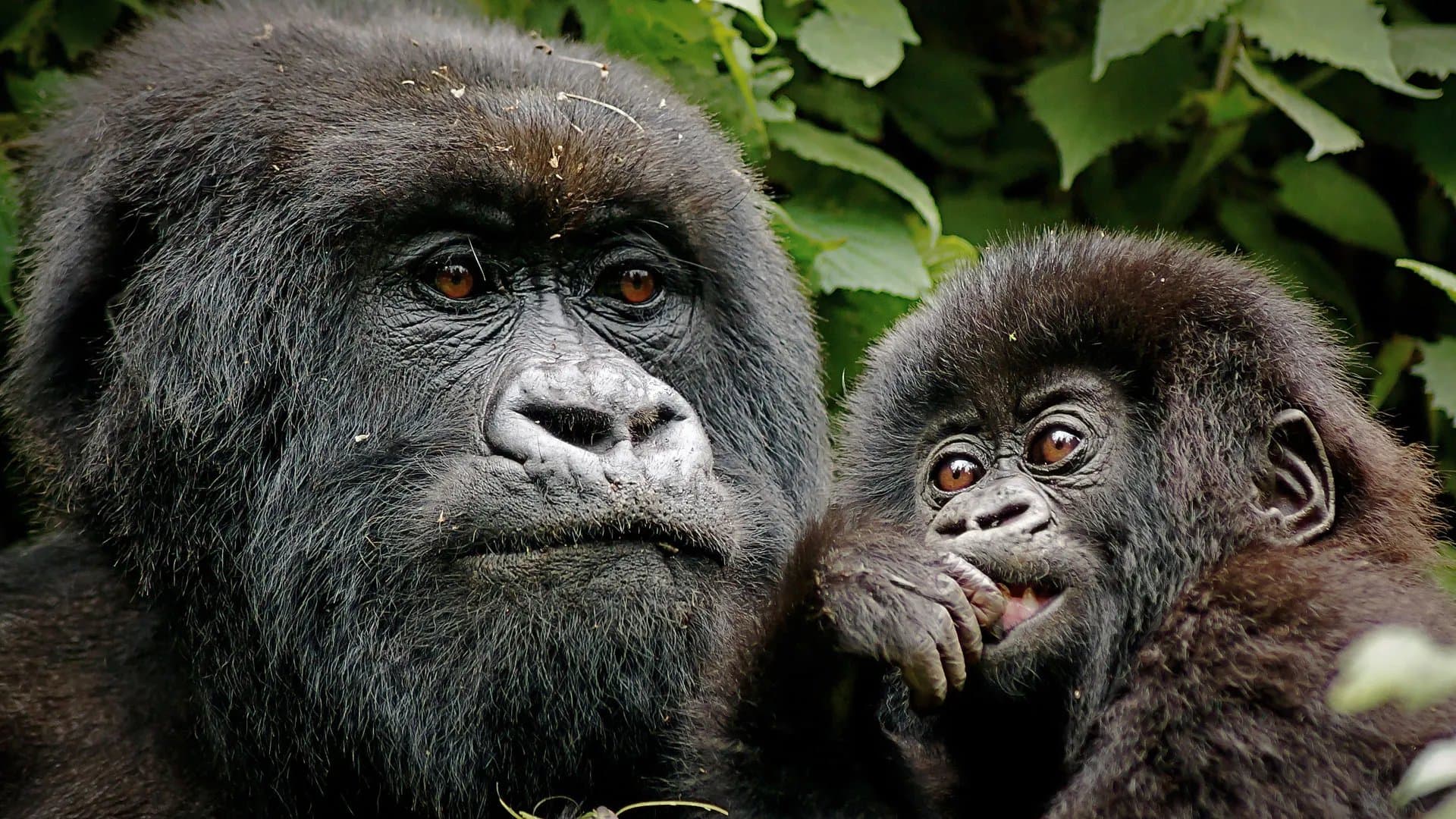
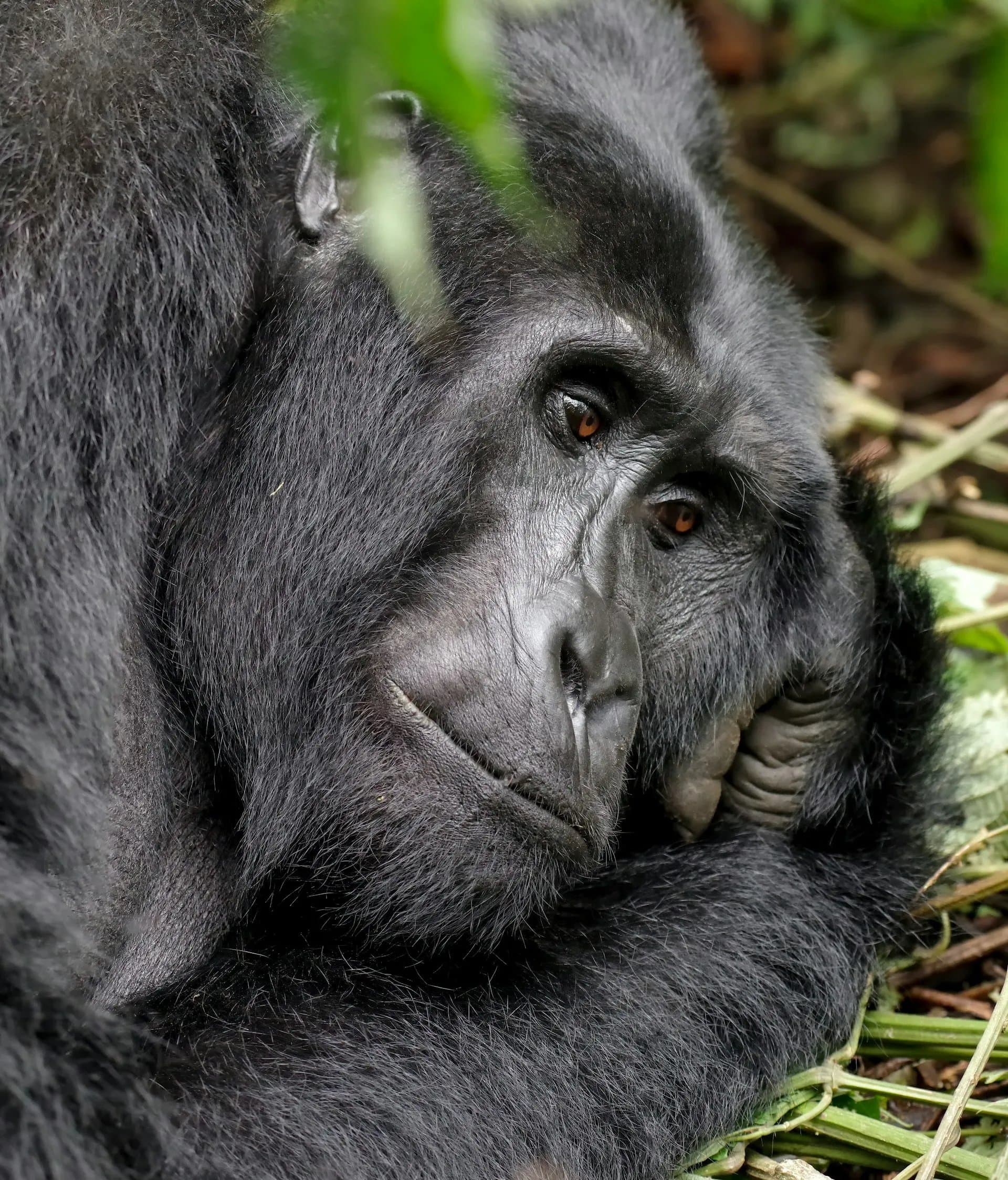
There is a moment on every gorilla trek when the forest goes quiet and your guide holds up a hand. Somewhere ahead, through the bamboo, something enormous shifts its weight. Then you see him: a silverback, four hundred pounds of muscle and calm, watching you arrive with an expression so knowing that every person in the group goes silent without being told.
Mountain gorillas share about 98% of our DNA, and no statistic prepares you for what that actually feels like at five meters' distance. Travelers who have done everything — the migration, the poles, the peaks — routinely call this single hour the most moving wildlife encounter of their lives. This guide covers how gorilla trekking in Rwanda works, the permit system, timing, cost, and what to expect from your own hour in the mist.
What Exactly Is a Mountain Gorilla Experience?
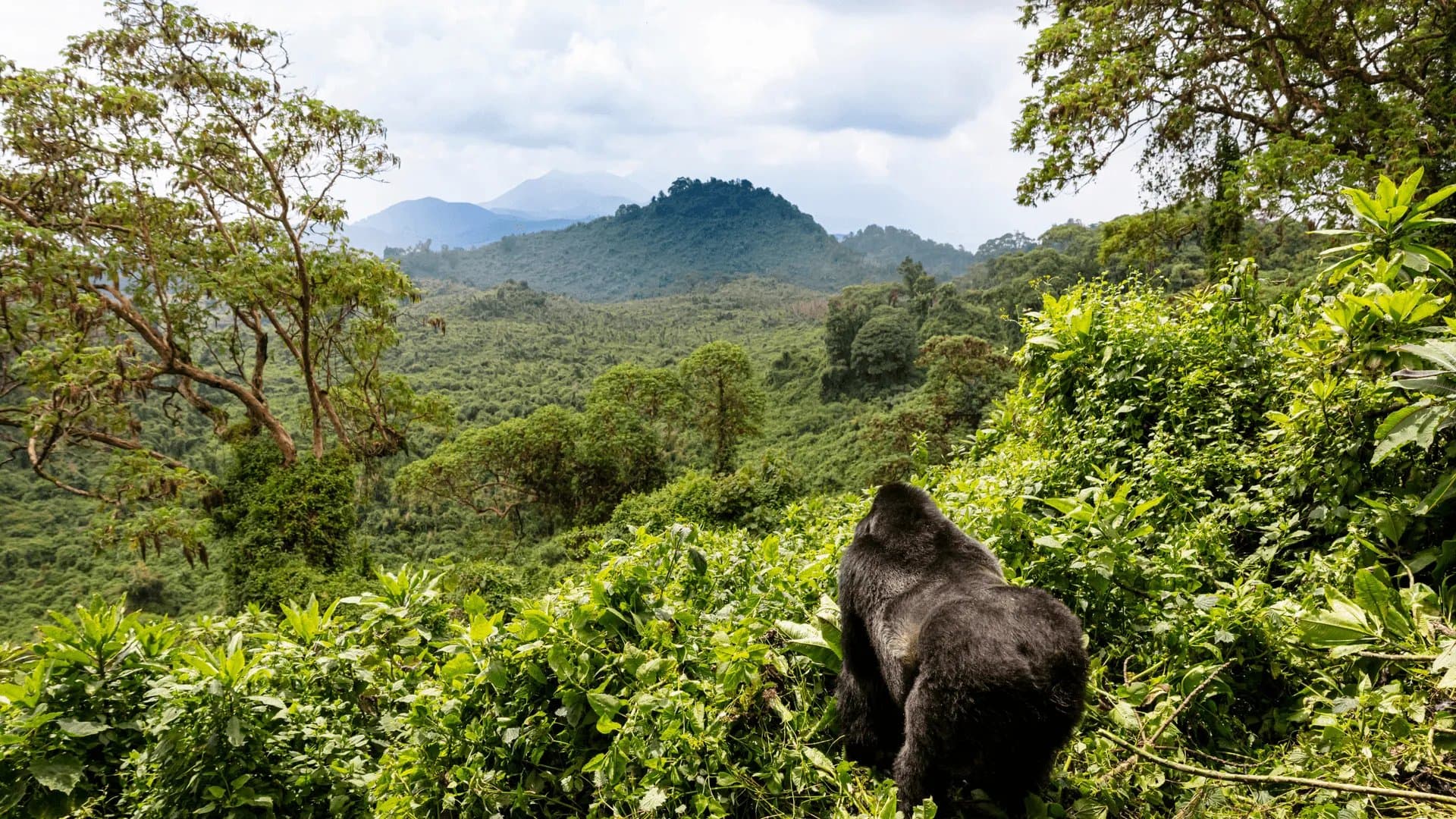
Gorilla trekking means hiking into Volcanoes National Park — the Rwandan slice of the Virunga volcano chain — with park guides and trackers to spend exactly one hour with a habituated wild gorilla family. Around a dozen families in the park are habituated to human visitors; each family receives a maximum of eight trekkers per day, which is why permits are limited and demand is high.
Mountain gorillas cannot survive in captivity — every one of the roughly 1,000 left on Earth lives wild in these mountains and one other ecosystem. Rwanda's conservation record here is one of Africa's great success stories: the population has grown steadily for decades, funded in large part by exactly the permit you'll be holding. This is tourism that demonstrably keeps its subject alive.
Why Rwanda Is the Best Way to Do This
Logistics are the easiest in gorilla country. Volcanoes National Park is about a three-hour drive from Kigali on good roads — you can land in the morning and be at the park headquarters the next dawn. No other gorilla destination gets you from an international airport to the trailhead this smoothly.
Trek allocation is intelligent. Families are assigned on the morning of the trek, and rangers match groups to fitness — shorter, gentler treks for those who want them, deeper hikes for the fit and keen. It's worth being honest about your fitness at briefing; it genuinely shapes your day.
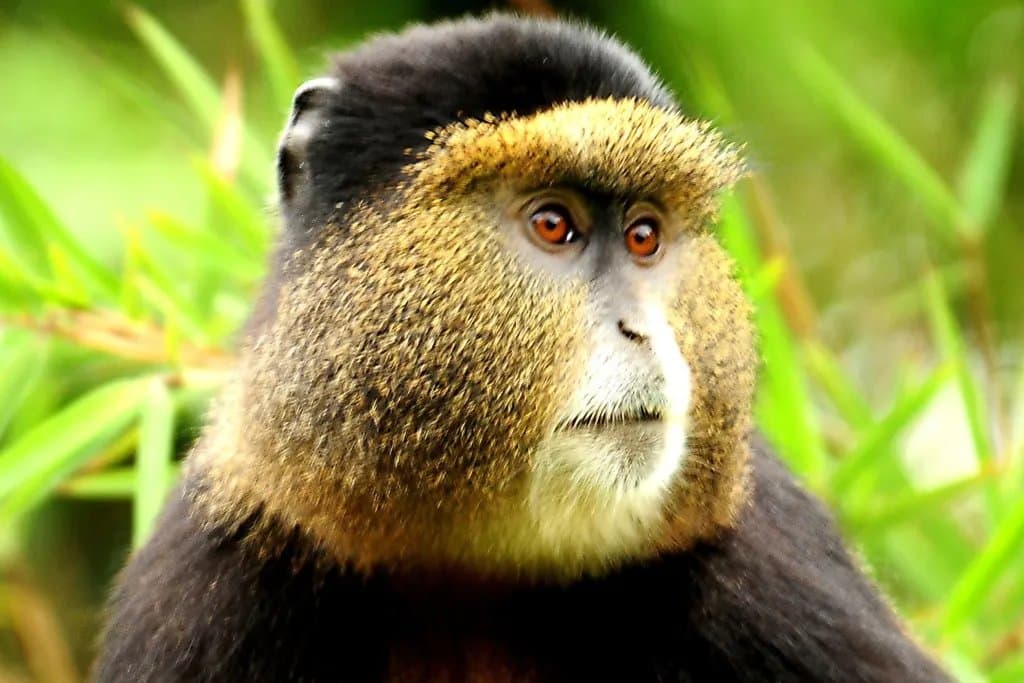
The wider experience is superb. Golden monkey tracking, the Dian Fossey research legacy at Karisoke, community projects around the park, and some of East Africa's most beautiful lodges make it easy to build 2–4 days rather than a single trek — and a second permit for a second family is the most common upgrade request we get.
When to Go
Gorilla trekking runs year-round, and sightings are equally reliable in every month — the variable is underfoot, not overhead.
June to September and December to February (dry seasons) offer the most comfortable trekking: firmer trails, less mud, clearer views of the volcanoes. These are also the busiest months, and permits for peak weeks can sell out months ahead.
The rainy months (March to May, October to November) are wetter and muddier — this is a rainforest, and it earns the name — but the gorillas don't go anywhere, permits are easier to secure, and lodge rates often drop. Pack proper boots and a good shell and the trek is entirely doable. Honest note: at this altitude a shower can arrive in any month; the "dry" season is a probability, not a promise.
What a Typical Trek Day Actually Looks Like
5:30 AM
Early breakfast
Lodges near the park serve breakfast before dawn; you leave in time for the 7:00 AM briefing.
7:00 AM
Briefing at park headquarters
Coffee, traditional dancers, and family allocation — rangers assign each group of eight to a gorilla family based on fitness and preference.
8:00 AM
The trek begins
Drive to the trailhead, then hike — through farmland, into bamboo, up volcanic slopes. One to four hours depending on where the family slept.
Mid-morning
One hour with the family
Packs down, voices low, seven meters of respectful distance (in theory — curious youngsters sometimes have other ideas). The fastest hour of your life.
Afternoon
Descent & certificate
Back down for your trekking certificate, a shower, and the strange quiet of having done the thing you came across the world to do.
What It Costs, and What Drives the Price
Rwanda positions gorilla trekking as a premium, low-volume experience: the official permit alone costs US$1,500 per person per trek, set by the Rwanda Development Board, with proceeds funding conservation and community programs. Our Rwanda itineraries start from around $2,800 per person for a short trek-focused trip with the permit included, and combined Rwanda–Tanzania journeys run from $6,500 per person for 11 days.
- ›The permit — at $1,500 it is the largest single line item on any short itinerary, and it is included in our published prices, never a surprise extra.
- ›Number of treks — a second trek doubles the permit cost and, for many, doubles the value: a different family, different terrain, and cameras finally put down.
- ›Lodge tier — options around the park run from comfortable guesthouses to some of the most celebrated luxury lodges in Africa, with nightly rates to match.
- ›Extensions — golden monkey permits, Dian Fossey hikes, and a Tanzania safari or Zanzibar leg after Rwanda all extend the trip and the budget.
What's included
- Gorilla trekking permit ($1,500 value)
- Airport & park transfers
- Accommodation & meals as specified
- English-speaking driver-guide
Not included
- International flights
- Rwanda visa
- Tips for rangers, trackers & porters
- Travel insurance
What to Expect Physically — and What to Pack
Treks run between roughly 2,500 and 3,700 meters of altitude on steep, often muddy volcanic soil — the trek is the real physical event of this trip, and it can range from a 45-minute stroll to a four-hour climb. Hiring a porter (a modest fee, paid locally) is both a genuine help and direct income for the villages around the park; we recommend it to everyone. The minimum trekking age is 15.
Photo gallery
What our guests say
“Well organised and fun! Before leaving we were uncertain about what to expect, but our guide Peter was very efficient and always showed up on time. He was friendly, knowledgeable, and knew exactly where to take us to maximise our game-viewing. The routes were perfect and the tent camp was a lovely bonus surprise. We saw all the Big Five and had an absolute blast!”
Alessandra & Aimo — Tanzania Safari
“Great experience! We had an amazing time during this safari journey. Mike was always present and left a great impression — he was warm, professional, and made sure we saw as much wildlife as possible. It was one of the most extraordinary experiences we have ever had in Tanzania. I would not hesitate to book with EWA Safari Outfitters again.”
Cindy — Tanzania Wildlife Safari
Frequently asked questions
How likely am I to actually see the gorillas?
Extremely likely — success rates in Volcanoes National Park are effectively near-certain, because trackers stay with each habituated family from dawn and guide your group directly to them. The variable is the length of the hike, not whether you find them.
Why is the permit $1,500?
The fee is set by the Rwanda Development Board and is the engine of the entire conservation model: it funds ranger teams, veterinary care, anti-poaching work and a revenue share for communities around the park. Mountain gorilla numbers have been rising for decades — the permit is the reason.
How fit do I need to be?
Fit enough for a steep, muddy hike at altitude — anywhere from under an hour to four hours each way. Rangers assign shorter treks to those who ask, and porters can assist on the trail. If you can manage a hilly half-day walk at home, you can do this.
Is there a minimum age?
Yes — 15 years old, strictly enforced. Families with teenagers can trek together; those with younger children usually pair one trekking day with alternate activities for the rest of the family.
Rwanda or Uganda for gorillas?
Both protect mountain gorillas and both deliver superb encounters. Rwanda's advantages are logistics (three hours from an international airport versus eight-plus in Uganda) and trek allocation; Uganda's is a cheaper permit. For travelers combining gorillas with a Tanzania safari, Rwanda's short hop from Kilimanjaro usually wins.
Can I combine gorillas with a safari?
This is our most popular way to do it: 2–3 days in Rwanda for the trek, then a flight to Tanzania for the Serengeti and Ngorongoro, optionally finishing on a Zanzibar beach. Eleven to twelve days covers all of it without rushing.
Can I do gorilla trekking from Kigali in one day?
Technically yes — the park is about three hours from Kigali, so a pre-dawn start makes a day trip possible. We recommend at least one night near the park instead: the 7 AM briefing is far kinder after a short drive, and the volcano-foothill lodges are part of the experience.
What should I wear for gorilla trekking?
Broken-in hiking boots, waterproof jacket and trousers, long socks to tuck your trousers into, and lightweight gardening-style gloves for the stinging nettles. Layers beat bulk — you start cold and warm up fast on the climb.